Telecom Industry Faces Crisis of Trust After Wave of Security Breaches (Image courtesy of Yonhap/SORA)
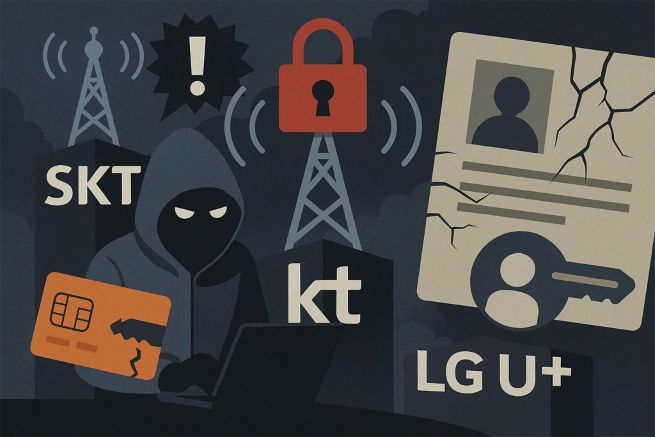
SEOUL, Sept. 16 (Korea Bizwire) — South Korea’s telecommunications industry is reeling after a fresh wave of security breaches left consumers questioning the integrity of mobile networks, just months after a massive SIM card hacking scandal at SK Telecom.
The latest blow came at KT, where hackers exploited vulnerabilities in unauthorized micro base stations, or “femtocells,” to carry out unprecedented small-payment fraud. Meanwhile, LG Uplus is under government investigation over allegations of personal data leaks, further fueling public distrust of the nation’s three dominant carriers.
Security experts note that similar attacks have plagued advanced economies. In the United States, hackers exploited weaknesses in AT&T’s authentication system to steal more than $415 million in cryptocurrency from FTX wallets in 2022.
U.S. prosecutors later charged three people, and in response, regulators mandated stricter identity checks for SIM swaps and number transfers. Japan faced its own reckoning in 2020, when attackers siphoned deposits through NTT Docomo’s “Docomo Account” service, prompting an overhaul that introduced two-step verification.
Europe has also tightened safeguards. The European Union capped digital micropayments at €50 per transaction and €300 per month in 2018, while the United Kingdom introduced mandatory double consent for subscription services in 2019.
By contrast, South Korea has been criticized for clinging to outdated ARS (voice response) authentication and deflecting consumer disputes to app marketplaces or payment processors, rather than addressing systemic vulnerabilities.
Small-sum payment scams and “smishing” fraud have long been a problem domestically, with reports dating back more than a decade. Cases range from fraudulent game item purchases to so-called “micro-payment laundering,” where digital goods are resold for cash.
According to parliamentary data, the mobile small-payment market reached 6.69 trillion won ($4.9 billion) last year, with more than 15,000 consumer complaints filed.
“The KT case may differ from overseas examples, but had Korea’s telecom industry studied global responses more carefully, some of this damage might have been avoided,” one security analyst said.
The repeated breaches have intensified calls for the government and industry leaders to overhaul security frameworks, with consumer confidence in the country’s telecom giants now hanging by a thread.
Kevin Lee (kevinlee@koreabizwire.com)