As real estate transactions increasingly take place through digital property platforms and the proptech sector continues to grow, tensions with the Korea Association of Realtors are also intensifying. (Image courtesy of Yonhap)
SEOUL, Jan. 22 (Korea Bizwire) — The number of newly opened real estate brokerage offices in South Korea fell last year to its lowest level since the Asian financial crisis, underscoring the prolonged slump gripping the country’s property market.
According to data released Tuesday by the Korea Association of Realtors, just 9,150 licensed brokers opened new offices nationwide in 2025 — the smallest annual figure since 1998, when the economy was reeling from the International Monetary Fund bailout.
During the same period, 11,297 brokerages shut down and another 1,198 suspended operations, extending a trend in which closures and suspensions have outpaced new openings for nearly three consecutive years.
The association said the decline was driven less by a surge in closures than by a sharp drop in new entrants, as tightening regulations and falling transaction volumes eroded profitability across the industry.
As of December, the number of active real estate brokers stood at 109,320, down 2,474 from the beginning of the year. It marked the first time in about five years that the figure fell below 110,000.
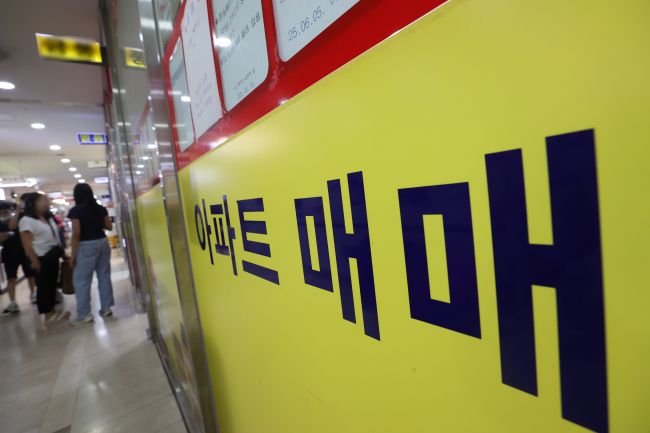
Real estate transactions decline amid tightened lending rules. (Image courtesy of Yonhap)
Despite more than 550,000 people holding real estate broker licenses nationwide, only about one in five currently operates an office, highlighting the widening gap between qualification and viable business opportunity.
The downturn began in earnest in the second half of 2022, when home prices started to decline and transactions slowed sharply. Since then, the market has struggled to regain momentum.
Conditions worsened further last year following a series of government measures aimed at cooling housing demand. These included caps on mortgage loans in the Seoul metropolitan area and expanded designation of regulated districts, which tightened lending limits and further reduced transaction activity.
“The sharp fall in new brokerage openings reflects pessimism about the outlook for housing transactions,” said Kim Jong-ho, head of the association. “Even price stabilization or declines require a functioning transaction market.”
He added that policies focused overwhelmingly on suppressing price increases have left both end-users and brokers bearing the cost, calling for more phased and concrete measures to restore market normalcy.
The figures offer a stark indicator of how deeply South Korea’s real estate slowdown has reshaped one of the country’s most ubiquitous small-business sectors.
Ashley Song (ashley@koreabizwire.com)