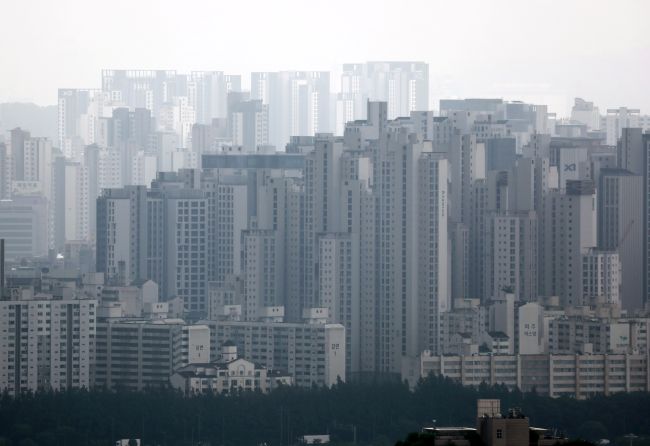
Apartment buildings in Seoul. (Image courtesy of Yonhap)
SEOUL, July 15 (Korea Bizwire) — Apartment sales in Seoul have surged to a record-high share of the housing market in 2024, as concerns over rental fraud and weakening demand for non-apartment housing deepen a long-standing shift toward high-rise units.
According to data released July 14 by South Korea’s Ministry of Land, Infrastructure and Transport, apartments accounted for 70.6% of all home sales in Seoul between January 1 and July 13 — the highest proportion since the government began tracking such data in 2006. Of the 63,730 housing transactions reported during that period, 45,022 involved apartments.
In contrast, sales of villas and low-rise multi-family homes (known in Korea as yeonrip and dasedae) made up just 26.2%, while single-family and mixed-use homes (danok/dagagu) accounted for a mere 3.1%, both marking historic lows.
The growing dominance of apartments follows a collapse in trust in the villa market after a wave of high-profile rental scams began in late 2022. These scams, involving inflated lease deposits and fraudulent landlords, have made buyers and renters increasingly risk-averse, fueling what experts are calling a “non-apartment phobia.”
Until recently, villas had rivaled — and even outpaced — apartments in sales. In 2022, villa transactions reached 31,881 units in Seoul, more than double the 12,799 apartment sales that year. But as rental fraud cases mounted, villa sales plummeted to 37.5% of transactions in 2023, then to 31.4% in 2024, and now below 30% in 2025.
The data shows a dramatic reversal of trends. Apartment sales had bottomed out at just 26% of transactions in 2022, down from 65.6% in 2013. But the tide has turned sharply amid easing interest rates and modest price rebounds, with apartment share climbing to 58.1% in 2023, 64.9% in 2024, and surpassing 70% this year — even in districts designated as restricted land transaction zones.
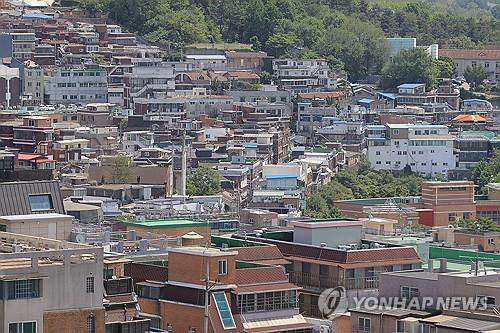
A view of a villa complex located in Seoul.
The growing concentration in the apartment sector is also having knock-on effects on housing supply. From January to May 2025, only 16,311 non-apartment units were approved for construction nationwide — just 31.5% of the same period in 2020. In Seoul, non-apartment permits rose slightly from last year but remain just 19% of 2020 levels.
Analysts warn that the deepening imbalance could drive up both sale and rental prices in the apartment market. “This apartment-centric trend is inflating not just purchase prices but rents as well, increasing pressure on tenants,” said Yoon Ji-hae, head of research at Real Estate R114. “To stabilize the market, we need to revive the non-apartment sector through incentives such as tax relief — while also strengthening tenant protections.”
As Seoul’s housing market continues to polarize, the challenge for policymakers is clear: restore trust in the broader housing stock and create a more balanced, resilient marketplace.
M. H. Lee (mhlee@koreabizwire.com)