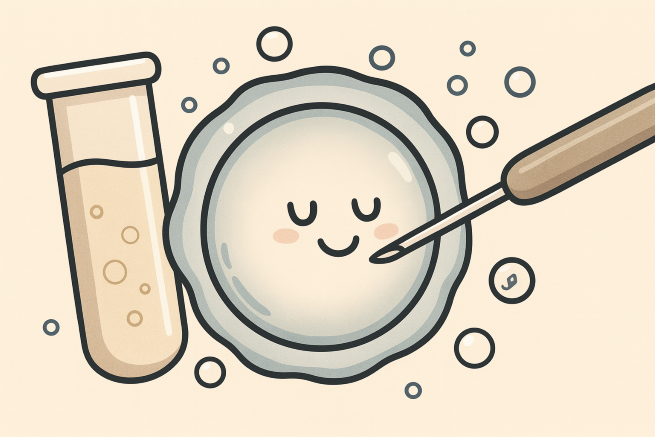
In vitro fertilization (IVF) is a procedure in which a woman’s egg and a man’s sperm are artificially collected, fertilized and cultured in a petri dish, and then implanted into the woman’s uterus to induce pregnancy. (Image supported by ChatGPT)
SEOUL, July 18 (Korea Bizwire) — As in vitro fertilization (IVF) becomes increasingly mainstream in South Korea, the number of embryos created annually has approached 800,000 — with over 500,000 discarded each year — prompting renewed debate over embryo management and ethical oversight.
According to data released Thursday by Rep. Kim Yoon of the Democratic Party, citing Health Ministry figures, 783,860 embryos were newly created in 2023, up more than 83 percent from 2019. Meanwhile, discarded embryos surged to 533,266 last year, a sharp 30.8 percent rise from 2022 and more than double the number in 2019.
The trend reflects the growing popularity of IVF among couples struggling with infertility or seeking to preserve reproductive options amid delayed marriages and childbearing. While embryo freezing offers flexibility, critics argue that lax regulation over their use, storage, and disposal raises bioethical concerns.
Fueling public debate is a high-profile case involving actress Lee Si-young, who revealed she had undergone embryo implantation without her ex-husband’s consent, sparking both praise and criticism online. Under current bioethics law, spousal consent is required only for the collection of eggs or sperm — not for the actual embryo implantation.
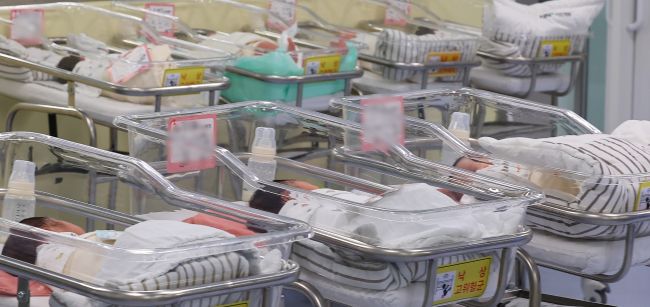
(Image courtesy of Youhap)
Last year, 201,496 embryos were used in IVF procedures, up nearly 20 percent from the previous year. But only a fraction of created embryos are implanted, with the rest either stored — more than 380,000 as of December — or eventually discarded.
Many of the discarded embryos were deemed medically unfit for implantation or were disposed of after reaching storage limits or upon consent withdrawal by a partner.
With the proliferation of IVF use and evolving definitions of family, experts and lawmakers are calling for more nuanced and protective legislation. “As reproductive technology advances and family structures diversify, we must update our systems to uphold the dignity of life,” said Rep. Kim.
The Health Ministry said it is reviewing potential revisions to the procedure with experts to ensure ethical standards are met.
M. H. Lee (mhlee@koreabizwire.com)