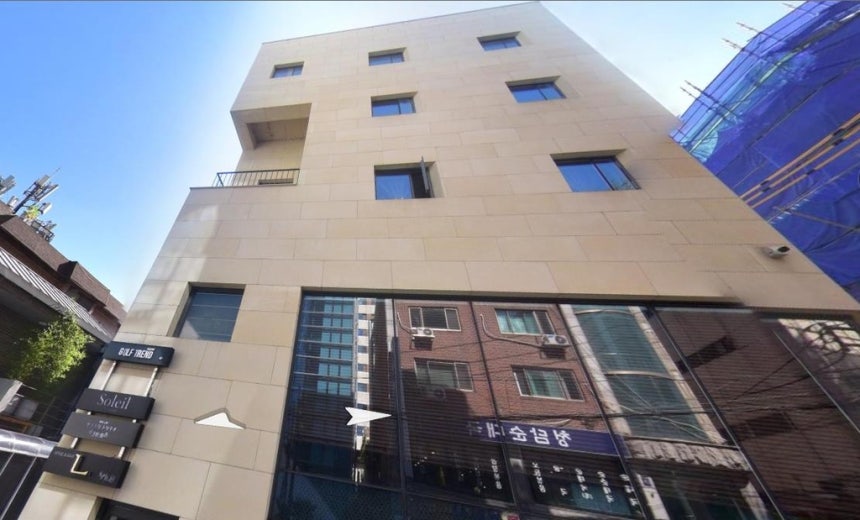
The photo shows a building in Cheongdam-dong, Gangnam-gu, which was sold for over 10 billion won in 2021 after attracting 120 bidders. At the time, demand for investment was exceptionally high due to a severe shortage of small building listings in the Gangnam area. (Photo source: Naver Street View capture / Yonhap)
SEOUL, August 1 (Korea Bizwire) — After a prolonged slump, South Korea’s commercial real estate market—including officetels and small buildings—is showing tentative signs of recovery following a recent easing of lending regulations.
The government’s June 27 financial policy placed a 600 million won ($460,000) cap on home mortgage loans, but left commercial properties such as officetels and small mixed-use buildings exempt. As a result, investor interest has shifted toward these less-restricted asset classes.
During the property boom of 2020–2021, low interest rates and soaring apartment prices drove investors toward commercial assets. Notable cases, like a small building in Seoul’s Cheongdam district auctioned for nearly double its appraised value, exemplified the market’s frenzy.
However, the tide turned in late 2022. Rising interest rates, the collapse of small businesses during the pandemic, and widespread economic uncertainty sent commercial real estate into a sharp downturn.
Officetel supply plummeted from over 57,000 units in 2021 to just 5,500 in 2023—the lowest in 18 years. Transaction volumes in Seoul also halved during the same period.
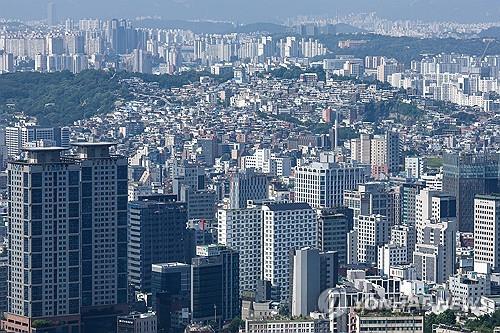
A view of commercial real estate in Seoul.
Still, the recent policy shift has sparked new interest. High-end officetels like The Parkside Suite near Yongsan Park saw solid demand despite units priced as high as 18.5 billion won. Another development in Yangyang, Inscape, also reported increased sales activity post-regulation, aided by no-interest installment plans and favorable lending conditions.
Small-scale commercial properties are regaining appeal among wealthy investors as well. Advisory firms and banks report a noticeable uptick in inquiries, especially regarding properties that can bypass lending limits through zoning changes or repurposing.
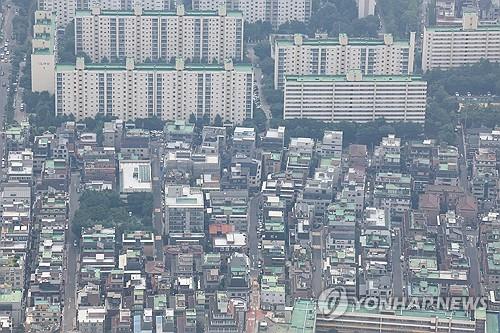
A view of apartments and small buildings in Seoul.
Yet experts caution that the recovery may be uneven and limited. Lingering economic uncertainty and potential tax burdens on residentially used officetels remain headwinds.
“The commercial property market won’t rebound overnight,” said Park Won-gap, chief real estate analyst at KB Kookmin Bank. “While small buildings may draw renewed interest from high-net-worth individuals, a broader recovery—especially in the officetel sector—will take more time.”
Ashley Song (ashley@koreabizwire.com)