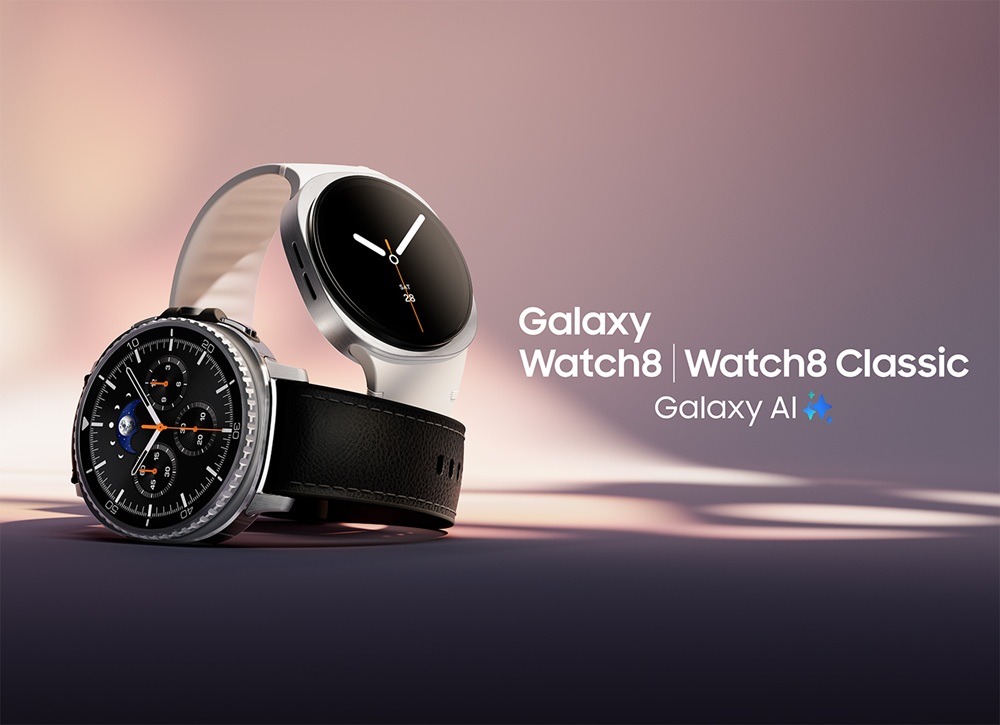
Galaxy Watch8 (Image courtesy of Samsung Newsroom)
SEOUL, Aug. 7 (Korea Bizwire) — Samsung Electronics is doubling down on its health-focused wearables, unveiling increasingly sophisticated sensor technologies for its Galaxy Watch line—some of which have even been used to monitor astronauts in space.
According to the company, its latest model, the Galaxy Watch8, represents the culmination of more than a decade of development in wearable sensors, offering features that not only track vital signs but also help users build healthier habits and detect early warning signs of disease.
Samsung began integrating sensor technology into its smartwatches in 2013 with the launch of the Galaxy Gear. Since then, the devices have evolved into comprehensive health monitors.
The 2021 Galaxy Watch4 series introduced the 3-in-1 BioActive Sensor, which combined optical heart rate (PPG), electrical heart signal (ECG), and bioelectrical impedance analysis (BIA) sensors into a single chip.
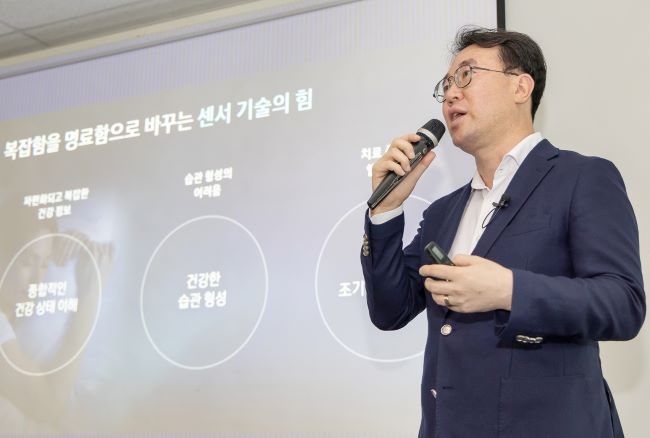
Samsung Galaxy Watch8 Series media briefing. (Image courtesy of Samsung Electronics)
Subsequent iterations brought further breakthroughs. The Watch5 introduced a non-contact skin temperature sensor. The Watch7 added new LED wavelengths—blue, yellow, purple, and ultraviolet—enabling more precise monitoring of health indicators like advanced glycation end-products. The latest Watch8 focuses on improving accuracy and comfort, with enhanced design and fit.
Samsung’s sensors are not just consumer-facing. The company noted that its BIA sensor was used by SpaceX to monitor body composition in astronauts, aiding in assessments of kidney function—a sign of the technology’s growing clinical relevance.
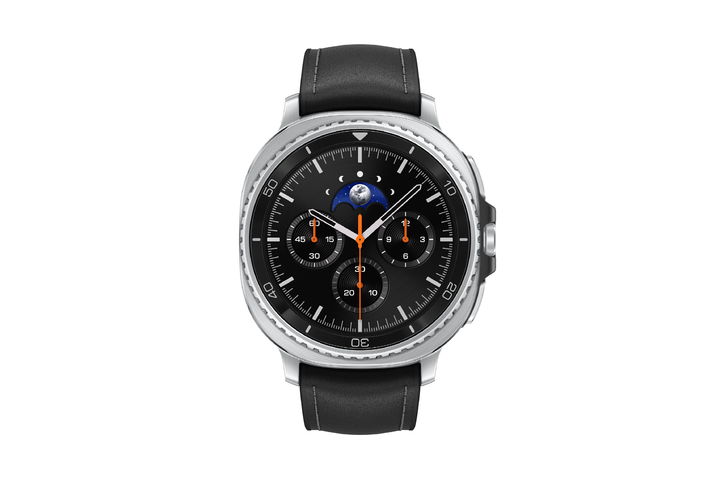
Samsung Electronics unveiled the Galaxy Watch8 series at its Galaxy Unpacked 2025 event, held on July 9 (local time) at the Duggal Greenhouse in Brooklyn, New York. Pictured is the 46mm black model of the Galaxy Watch8 Classic. (Image courtesy of Samsung Electronics)
Among the newest features is a Sleep Coaching Guide, developed in collaboration with KAIST and clinically validated by Samsung Medical Center. After wearing the device for three days, users receive AI-generated recommendations for optimal bedtime based on sleep needs and circadian rhythms.
In another first, the Galaxy Watch8 introduces antioxidant index monitoring, allowing users to measure carotenoid levels in the skin—a marker for fruit and vegetable intake and potential predictor of chronic disease risk.
The watch delivers results in just five seconds and offers intuitive feedback, like praising salad consumption or flagging excessive alcohol intake.
The watch also includes expanded cardiovascular monitoring capabilities. A new vascular stress tracking function uses PPG signals during sleep to assess blood volume and arterial stiffness—offering insights into vascular health trends influenced by diet, stress, and rest.
The improved ECG function can now detect ectopic beats, irregular heart rhythms that often go unnoticed during routine checkups but may signal elevated risks of atrial fibrillation, stroke, or heart failure.
Samsung is also investing in the broader digital health ecosystem. In a recent move, it acquired U.S.-based digital health platform Xealth to further strengthen its healthcare services.
“Much like financial apps have become mainstream, we believe health apps are following the same path,” said Choi Jong-min, Vice President of Health Hardware Development at Samsung’s MX Division. “With nearly 70 million monthly users of the Samsung Health app, we are committed to helping people build healthier habits and detect risks early through advanced wearable technologies.”
Choi added that Samsung’s vision is not just about innovation for its own sake. “We aim to lead the future of digital health with clinically validated tools and strong partnerships, ultimately providing a better health management experience for everyone.”
Kevin Lee (kevinlee@koreabizwire.com)