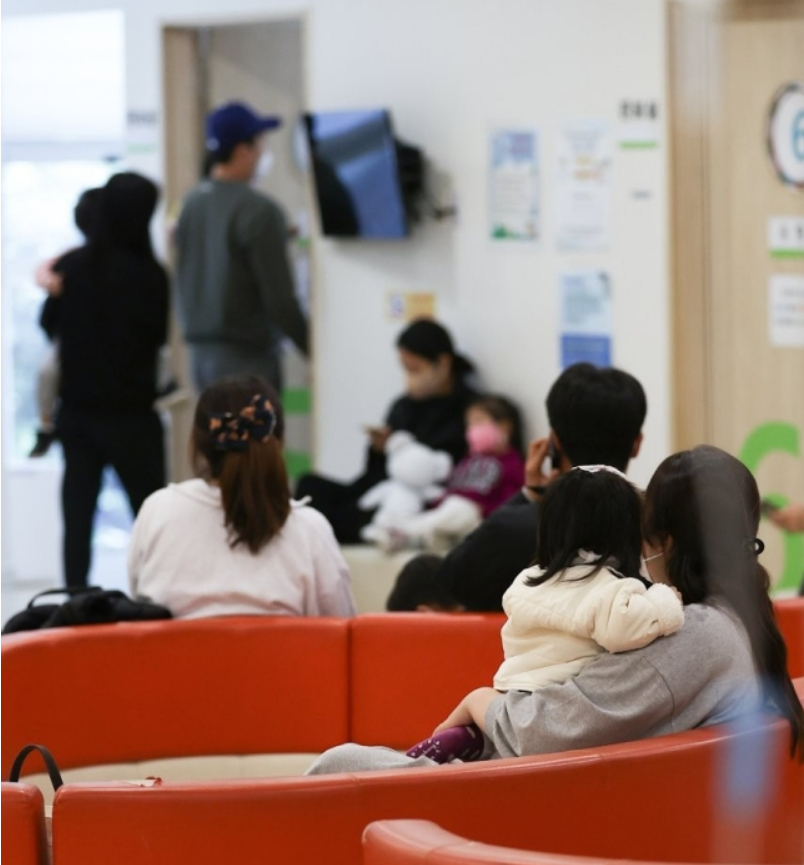
A pediatric clinic in Seoul is crowded with patients (Image courtesy of Yonhap)
SEOUL, Sept. 5 (Korea Bizwire) – South Korea’s efforts to rescue its collapsing essential medical system by sharply raising reimbursements for high-risk surgeries have failed to halt the sector’s decline, new government data show.
Even with more generous payments, essential care still accounts for less than 20 percent of total medical spending, while pediatric and obstetric services continue to hollow out.
According to the Health Insurance Review and Assessment Service, essential procedures briefly rose to 20.9 percent of overall spending in 2022 after a large fee adjustment but slipped back to 19.2 percent in 2024.
In the first half of 2025, the share rebounded slightly to 19.8 percent — still below the threshold needed to stabilize the field.
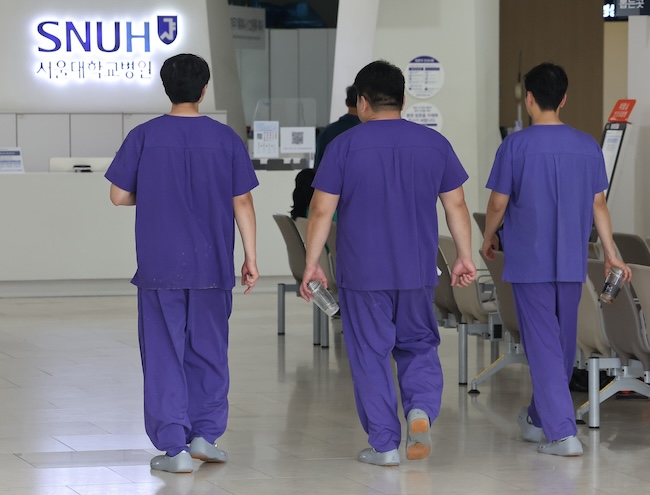
Doctors walk at Seoul National University Hospital . (Image courtesy of Yonhap)
Patient numbers are falling even faster. Annual pediatric visits have plunged from more than 6 million in 2016 to under 4 million this year. Obstetrics and gynecology visits dropped by a similar margin, raising concerns that families will have nowhere to turn in emergencies.
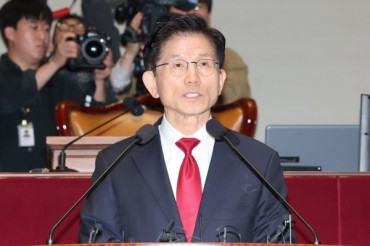
“Simply raising fees will not bring doctors back to essential care,” said lawmaker Kim Mi-ae, urging comprehensive reforms that address workloads, litigation risks, and regional disparities.
The government has raised relative value scores — the basis for setting medical fees — for complex surgeries such as heart operations and kidney transplants between 2023 and 2025.
But the increases have not overcome structural disincentives: long hours, constant emergency calls, and exposure to malpractice suits. Critics liken the policy to repainting a crumbling house without repairing its foundations.
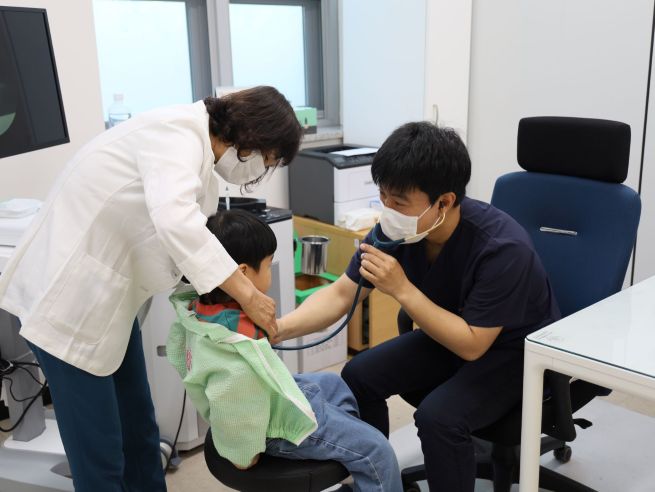
South Jeolla Province’s Gokseong County announced on September 1 that a satisfaction survey conducted to mark the 100th day of its permanent pediatric clinic, established through the Hometown Love Donation Program, found that all respondents (100%) reported being satisfied. (Yonhap)
Some local governments are experimenting with grassroots solutions. In Gokseong County, South Jeolla Province, where no pediatrician had practiced since 1960, officials used donations from the Hometown Love program to establish a permanent pediatric clinic earlier this year.
Dubbed “A Gift of Pediatrics to Gokseong,” the campaign attracted thousands of supporters nationwide, helping the county recruit doctors and maintain daily pediatric services.
The program has drawn widespread praise as a rare success in reversing the erosion of essential medical care. Officials say they plan to expand the model to sustain services in rural regions facing both doctor shortages and population decline.
M. H. Lee (mhlee@koreabizwire.com)