Watching cattle graze in open fields, the unhurried rhythm of pastoral life often appears as a romantic escape for city dwellers caught in the rush of urban living. (Image courtesy of Yonhap)
SEOUL, Nov. 6 (Korea Bizwire) — Nearly 70 percent of baby boomers living in the Seoul metropolitan area said they would be willing to relocate to regional areas if jobs at small and medium-sized enterprises were available, according to a survey released Wednesday by the Korea Economic Association (FKI).
The survey, conducted in September by Mono Research on 500 respondents born between 1955 and 1974, found that 73 percent of metropolitan baby boomers were open to moving to non-metropolitan regions for employment. The willingness was higher among men (79.9 percent) than women (66.9 percent).
Respondents cited maintaining a healthy lifestyle (24.6 percent), a slower pace of life (22.9 percent), access to nature (20.7 percent), and lower housing and living costs (15.6 percent) as the top motivations for relocation. Those unwilling to move pointed to poor infrastructure such as limited healthcare, education, and cultural amenities (27.8 percent) and discomfort with rural life (17 percent).
Among potential destinations, the Chungcheong region ranked highest at 32.9 percent, followed by Gangwon (27.4 percent), Honam (15.9 percent), and Yeongnam (10.4 percent). Most respondents preferred administrative or office work (30.7 percent), with others favoring sales, farming, or manufacturing roles.
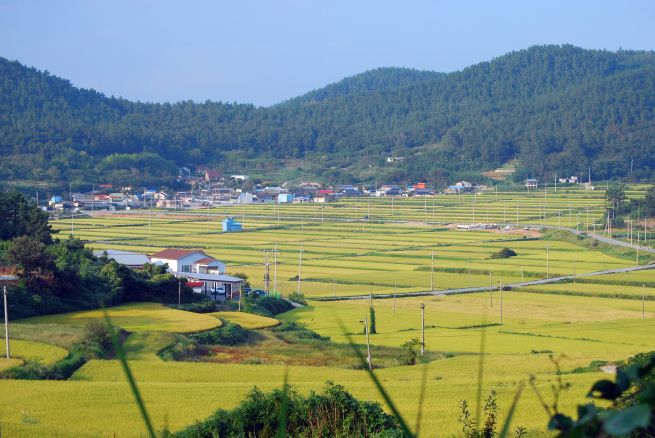
A typical countryside village scene (Image courtesy of Yonhap)
The most desired monthly wage fell between 2 million and 2.5 million won ($1,500–$1,900), with the average at 2.27 million won. Roughly half said they would prefer part-time work, while 43 percent were open to both part- and full-time employment.
The findings come after the FKI proposed a “triple alliance” model in October connecting baby boomers, regional small cities, and local businesses. The initiative aims to address labor shortages and revitalize regional economies while providing stable post-retirement opportunities.
According to the survey, 79 percent of respondents said they would consider relocating if such a program were implemented. Stable housing, such as public rental units (22.6 percent), and reliable local employment (18.6 percent) ranked as the most important policy supports for the model’s success.
“The economic strain from Seoul’s population concentration is deepening,” said Lee Sang-ho, head of the FKI’s Economic and Industrial Division. “Encouraging near-retirement baby boomers to return to their hometowns for work could help ease regional inequality while boosting local economies and domestic demand.”
Lina Jang (linajang@koreabizwire.com)