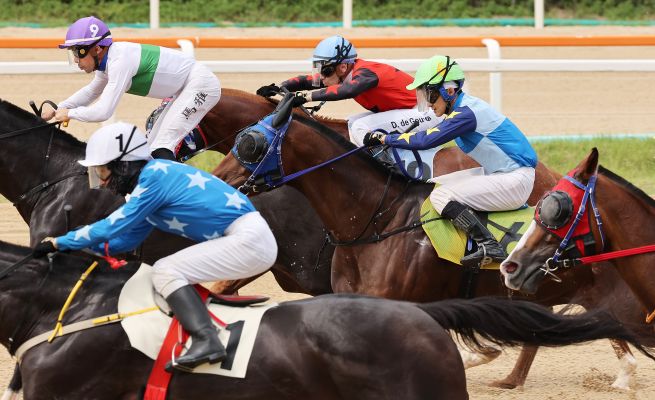
Racehorses are seen charging down the track at LetsRun Park Seoul in Gwacheon, Gyeonggi Province. (Yonhap)
SEOUL, Jan. 12 (Korea Bizwire) — As South Korea prepared to welcome 2026, the Year of the Red Horse, an unsettling debate emerged within the country’s horse industry: whether euthanasia for retired racehorses has become unavoidable.
At a closed-door meeting last month near Gwangmyeong Station, officials and experts from the Ministry of Agriculture, the Korea Racing Authority, equestrian associations and animal welfare groups reached a rare consensus.
With more than 1,000 racehorses retiring each year and too few pathways for rehoming, the system that once absorbed former racehorses has effectively collapsed.
According to Horspia, the government-backed horse industry information portal, 1,156 racehorses retired in Seoul and Busan last year alone. Yet only about 37 percent of retired horses in recent years have found second careers as riding or leisure horses. The remainder are reported as deceased or unaccounted for.
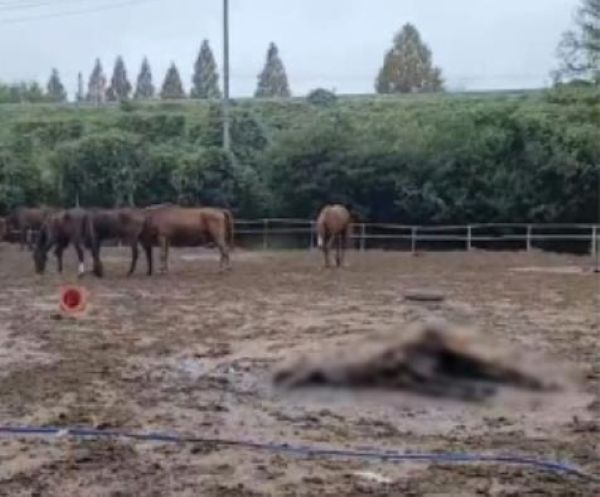
The remains of a horse left abandoned at the center of a so-called “discarded horse farm” in 2024. (Courtesy of Animal Liberation Wave)
The mismatch is structural. While horses can live more than 20 years, their racing careers typically last fewer than five. As more than 1,000 new racehorses enter the system annually, the number of unwanted retirees continues to grow.
When retired horses fail to find new owners, they often pass through private brokers, some of whom are linked to so-called “discard farms” — facilities suspected of neglecting horses until death.
In one widely reported 2024 case in South Chungcheong Province, authorities found skeletal remains and severe sanitation violations at an unlicensed stable.
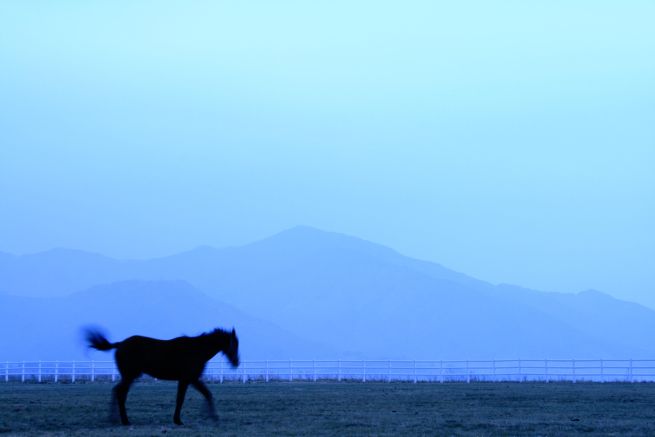
Behind the Track, a Crisis: Retired Racehorses and the Limits of South Korea’s Welfare System (Yonhap)
Public rescue capacity is limited. A new protection program set to launch this year at the Jeonbuk Horse Industry Complex will be able to house only 30 to 40 animals, a fraction of the annual surplus. Industry insiders say even the few existing “end-of-life” facilities are already overwhelmed.
Against this backdrop, some horse industry officials argue that humane euthanasia, supported by public funding, may be preferable to abandonment and prolonged suffering.
Others counter that killing healthy animals without necessity violates animal protection laws and risks normalizing a system built on overproduction.
Animal rights groups insist the focus should be upstream. Without reducing the number of racehorses bred each year, they argue, any discussion of euthanasia amounts to a stopgap that fails to address the industry’s core imbalance.
As policymakers weigh animal welfare, legal constraints and the realities of the racing economy, the fate of South Korea’s retired racehorses remains unresolved — an uncomfortable paradox at the dawn of a year meant to celebrate the horse’s strength and vitality.
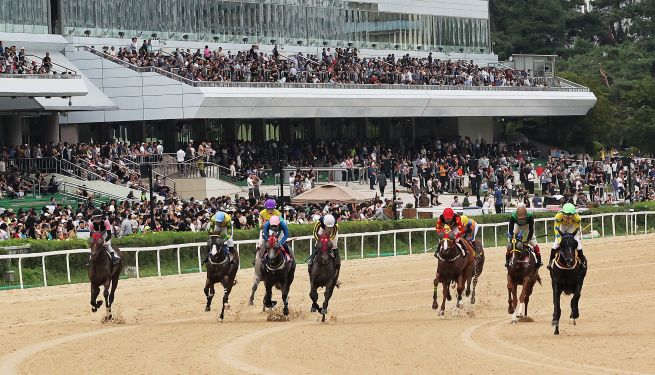
Racehorses are seen charging down the track at LetsRun Park Seoul in Gwacheon, Gyeonggi Province. (Yonhap)
Lina Jang (linajang@koreabizwire.com)