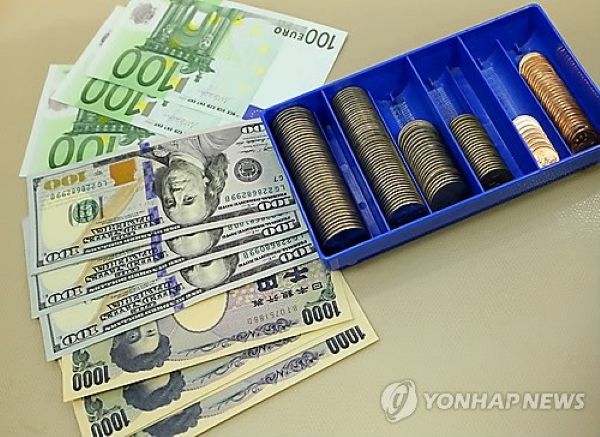
Foreign Coins Can Be Exchanged in Korea, but Usually for Half Their Value (Yonhap)
SEOUL, Jan. 16 (Korea Bizwire) — Many travelers returning from overseas try to spend their leftover foreign coins at airports or shops before coming home, assuming they cannot be exchanged in South Korea.
Coins are heavy, inconvenient to carry, and often believed to be unusable domestically. But while less common and less lucrative than banknote exchanges, several options for converting foreign coins do exist — with important caveats.
Major commercial banks including Shinhan, Woori, Hana, NH NongHyup and Jeju Bank offer foreign coin exchange services, though the range of currencies varies by institution and some banks limit the service to designated branches.
Even when available, coins are exchanged at steep discounts: most banks apply only about 50 percent of the standard exchange rate. A $10 value in coins, for example, would yield roughly half the won amount received for bills.
Banks cite high transport, insurance and verification costs, noting that coin exchange is provided largely as a customer service rather than a profit-making activity.
Unmanned exchange kiosks have emerged as an alternative. Startups such as Coinrabbit operate machines in hotels, large retailers and transport hubs that accept both foreign bills and coins.
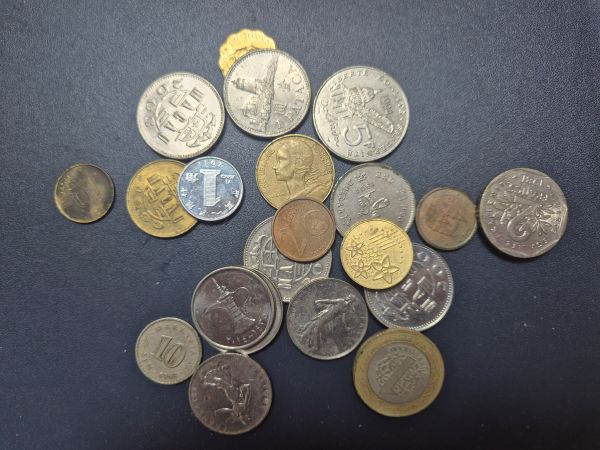
Foreign Coins After Travel: Why Exchanging Them in Korea Rarely Pays (Yonhap)
These kiosks typically offer slightly better rates for coins — around 55 percent of the benchmark rate — and handle multiple currencies. Some even allow customers to purchase foreign coins at a discount compared with banknotes, reflecting niche demand among young travelers and students.
Still, limitations remain, including restricted currency options and payouts rounded down to the nearest 1,000 won.
For small amounts, peer-to-peer transactions through secondhand platforms are another option. Regulations allow residents to exchange up to $5,000 worth of foreign currency for non-speculative purposes without reporting, though platforms impose stricter internal limits to prevent fraud and money laundering. Authorities and operators warn users to proceed cautiously.
For those unwilling to exchange at a loss, donation has become an increasingly popular alternative. Campaigns led by charities and retailers collect leftover foreign coins at convenience stores and airports, channeling the funds toward humanitarian causes.
The bottom line: foreign coins can be exchanged in South Korea, but travelers should expect discounted rates, limited convenience and modest returns — making spending or donating spare change abroad often the more practical choice.
Ashley Song (ashley@koreabizwire.com)