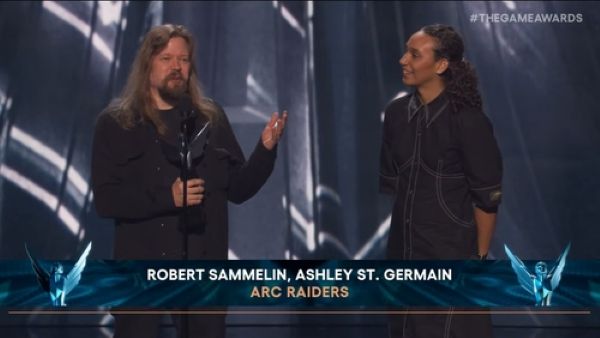
Nexon’s “Arc Raiders” Wins at The Game Awards
(Image source: Screenshot from the TGA 2025 live broadcast)
SEOUL, Jan. 18 (Korea Bizwire) — The global success of Arc Raiders, a multiplayer title developed by Embark Studios, has reignited a familiar debate among gamers: What, exactly, determines the nationality of a video game?
Since its release in October, Arc Raiders has sold more than 12.4 million copies worldwide, reached a peak of 960,000 concurrent users and won Best Multiplayer Game at last year’s Game Awards, one of the industry’s most prestigious honors.
Yet despite its commercial and critical acclaim, online forums in South Korea have again questioned whether the title should be considered a Korean game at all. Embark Studios, the developer and publisher, is based in Sweden and employs largely European staff — a fact reflected even in the game’s credits, which make only a brief acknowledgment of support from its parent company, Nexon.
Nexon, South Korea’s largest game publisher, acquired Embark Studios in 2019, making it a wholly owned overseas subsidiary. The structure has fueled confusion among players accustomed to defining a game’s origin by the nationality of its developers rather than its ownership.
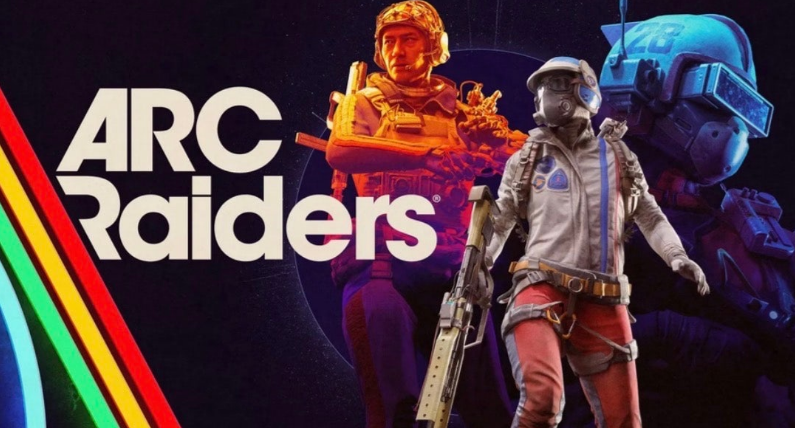
Arc Raiders is being regarded as one of the highest-rated multiplayer shooter games among players in nearly a decade. (Image courtesy of Embark Studios/Nexon)
The debate has exposed contradictions within gaming communities. Some users who dismiss Arc Raiders as “not Korean” have simultaneously criticized League of Legends as a Chinese game — despite its developer, Riot Games, being headquartered in Los Angeles and staffed largely by American and Canadian developers. Riot, however, is fully owned by China’s Tencent.
Industry analysts say such disputes reflect how outdated the idea of national identity has become in a sector shaped by global capital, distributed development and worldwide publishing.
Modern game production often spans multiple countries, involving separate studios for development, publishing, funding and live operations. As a result, the concept of a game’s nationality has grown increasingly ambiguous.
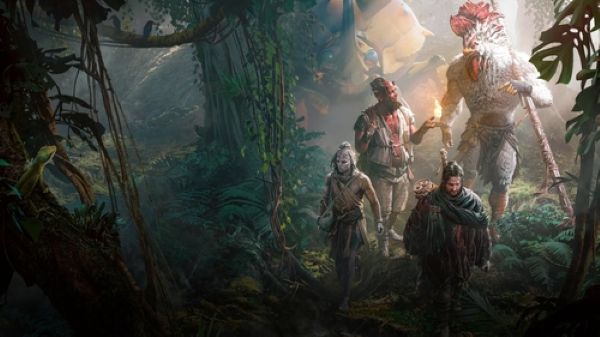
Artwork for The Bird That Drinks Tears (Image provided by Krafton)
Sony Interactive Entertainment offers one example. Though owned by Japan’s Sony Group, the company is headquartered in the United States, and franchises such as The Last of Us and God of War are widely classified as American games.
South Korea’s Krafton has followed a similar path. The company owns U.S.-based Unknown Worlds, developer of Subnautica, and is currently producing Subnautica 2. It also established Krafton Montreal in 2023 to develop a game based on Korean fantasy novelist Lee Young-do’s The Bird That Drinks Tears series.
As gaming becomes ever more global, industry observers say debates over national labels may matter less than the creative and commercial ecosystems that now transcend borders — even if online arguments continue to lag behind that reality.
Kevin Lee (kevinlee@koreabizwire.com)