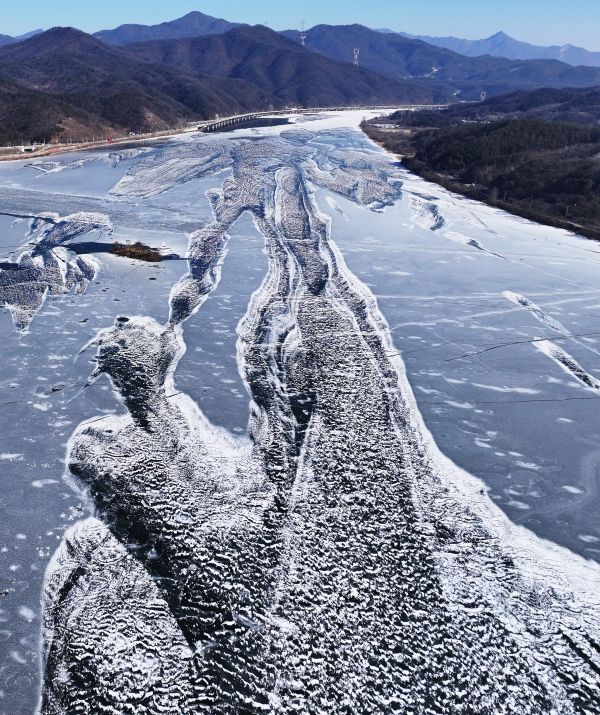
The Namhan River near Dumulmeori in Yangpyeong County, Gyeonggi Province, is frozen amid a severe cold wave on Jan. 20.
SEOUL, Jan. 20 (Korea Bizwire) — South Korea is enduring one of its harshest midwinter cold spells in years, as temperatures plunged across the country during Daehan — the final and traditionally coldest of Korea’s 24 seasonal divisions — with forecasters warning that the freeze is likely to persist through the end of the month.
In Seoul, the morning temperature on Monday fell to minus 11.8 degrees Celsius, according to the Korea Meteorological Administration. It marked the second-coldest Daehan morning recorded in the past 30 years, trailing only Jan. 21, 2004, when temperatures dropped to minus 16 degrees.
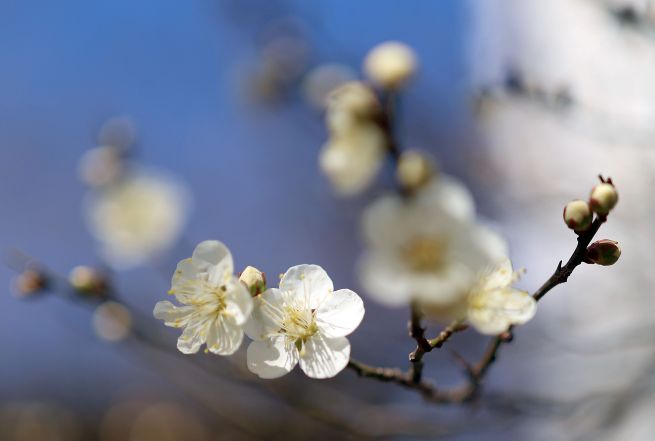
Plum blossoms are seen budding in a flower bed at an apartment complex in Masanhappo District, Changwon, South Gyeongsang Province, on Jan. 20, which marks Daehan, drawing attention amid the cold weather. A resident said the flowers bloomed about a month earlier than usual.
Since nationwide weather observation networks were expanded in 1976, the reading ranked as the fourth-lowest January minimum in the capital, following extreme cold events in 2004, 1976 and 1983.
Meteorologists said the period between Sohan in early January and Daehan typically brings the coldest conditions of the year, as reduced sunlight following the winter solstice gradually cools the ground.
While folk wisdom has long held that Sohan is colder than Daehan, recent climate data show the two periods now record nearly identical average temperatures — a shift that scientists attribute to long-term warming trends.

Participants plunge into the winter sea during the Haeundae Polar Bear Festival held at Haeundae Beach in Busan on Jan. 18.
This year’s intense chill is being driven by a powerful surge of Arctic air penetrating all layers of the atmosphere. Cold northern winds are being funneled southward between high- and low-pressure systems positioned northeast of the Korean Peninsula, while a persistent atmospheric “blocking” pattern is preventing normal west-to-east airflow.
The result, forecasters said, is a prolonged stagnation of cold air over the region.
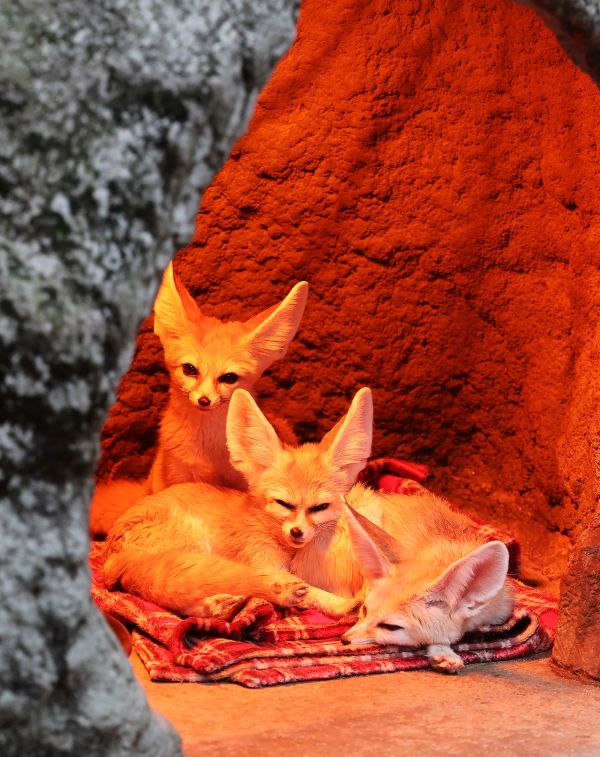
A fennec fox shelters from the cold under a heat lamp at Everland in Yongin, Gyeonggi Province, on Jan. 15.
The weather agency expects subzero conditions to continue at least through the weekend. In Seoul, morning temperatures are projected to remain below minus 10 degrees Celsius through Sunday, a stretch comparable to a similar cold wave last recorded in January 2016.
Even after a modest rebound early next week, temperatures are expected to remain below seasonal norms through Jan. 30, with continued inflows of cold air from the north.
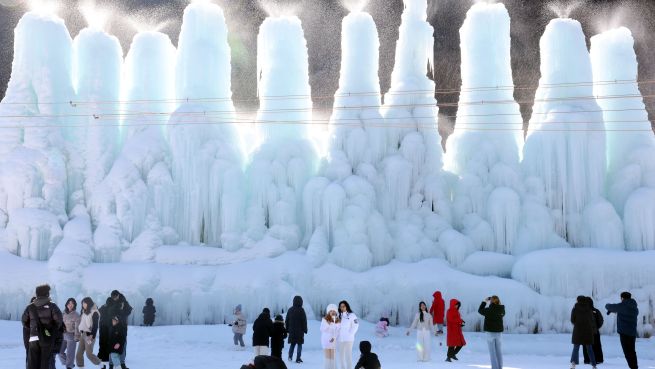
As morning temperatures dropped to around minus 10 degrees Celsius across much of the country, visitors pose for photos in front of an ice garden at the Cheongyang Alps Village in South Chungcheong Province on Jan. 11.
Nationwide, morning lows are forecast to range between minus 14 and minus 2 degrees Celsius over the weekend, with daytime highs hovering between minus 3 and 5 degrees. While temperatures may edge higher next week, meteorologists said they are unlikely to return to average January levels before the end of the month.
Image credit: Yonhap / photonews@koreabizwire.com