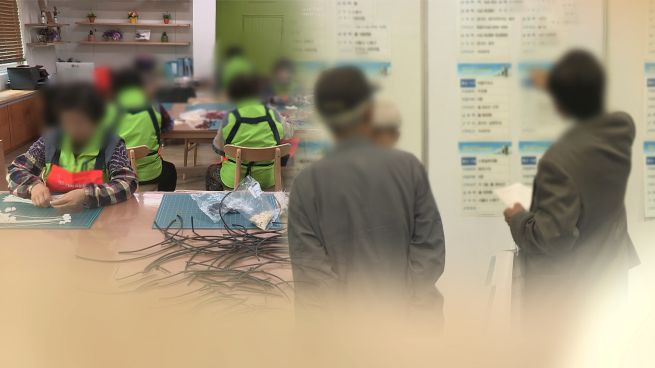
Employment Surge Among Older Workers Reshapes Korea’s Labor Landscape (Image courtesy of Yonhap)
SEOUL, Feb. 4 (Korea Bizwire) — South Korea’s employment rate for older workers rose above 70 percent for the first time last year, underscoring the country’s rapidly aging workforce and intensifying debate over raising the mandatory retirement age.
According to data released Wednesday by the Ministry of Employment and Labor, the employment rate among people aged 55 to 64 reached 70.5 percent in 2025, up from 69.9 percent a year earlier. It marked the first time since record-keeping began in 1983 that the rate has surpassed the 70 percent threshold.
The employment rate measures the share of people in that age group who are working for pay. The figure has steadily climbed since 2007, moving into the mid-60 percent range by 2013 and the high-60s by 2022, before reaching last year’s record level.
The unemployment rate for older workers declined to 2.1 percent in 2025 from 2.4 percent the previous year, continuing a recent downward trend. The labor force participation rate for the same age group — which includes both the employed and those actively seeking work — rose to a record 72.0 percent, up slightly from 71.6 percent in 2024.
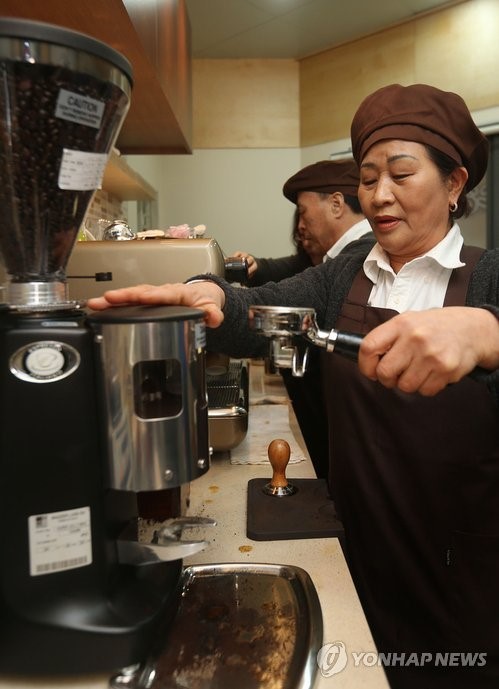
An elderly barista is making coffee (Image courtesy of Yonhap)
Older workers now account for 18.4 percent of the working-age population between 15 and 64, meaning nearly one in five people of working age falls into the 55–64 bracket.
Officials attribute the trend in part to demographic shifts, including the gradual retirement of the so-called second baby boomer generation — those born between 1964 and 1974 — who number about 9.5 million, or 18.6 percent of the population. As this cohort exits the workforce, concerns are mounting over potential labor shortages.
The rise in employment among older Koreans has fueled renewed debate in the National Assembly over raising the statutory retirement age from 60 to 65. Labor unions and business groups broadly agree on the need for reform but remain divided over how to implement it.
Labor groups are pushing for a uniform extension of the retirement age to 65 in line with the national pension eligibility age. Business leaders, however, favor allowing companies to rehire workers after retirement rather than mandating a blanket extension.
The ruling Democratic Party has proposed a phased approach, setting potential completion dates for a higher retirement age in 2036, 2039 or 2041, along with interim reemployment measures for workers retiring before 65. But negotiations have stalled amid opposition from both labor and management.
The party has suggested continuing discussions through late June, after local elections, leaving the timeline for legislation uncertain.
M. H. Lee (mhlee@koreabizwire.com)