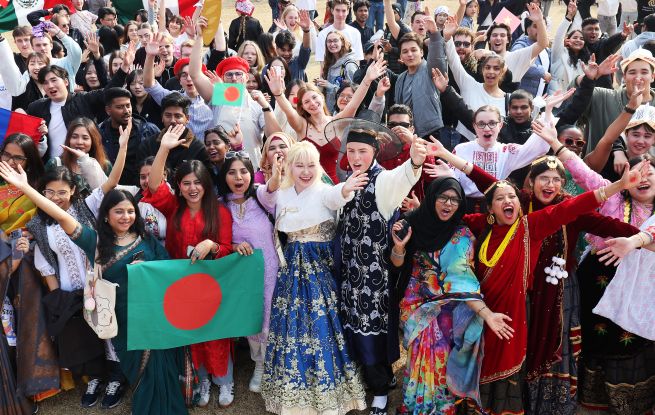
Foreign students of various nationalities residing in South Korea are gathered at an event, cheering enthusiastically. (Yonhap)
SEOUL, Jan. 16 (Korea Bizwire) — Foreign students who graduate from South Korean universities face steep hurdles in securing stable residency through employment, according to a new academic study, raising questions about the country’s ability to retain international talent amid demographic decline.
The findings, published Friday in the Journal of the Korean Association for Immigration Policy, are based on in-depth interviews with 12 foreign graduates conducted between September and December 2024.
The participants, from eight countries including Vietnam, Mongolia, Nepal and Colombia, had either recently completed four-year university programs in South Korea or attempted to transition to work or residency visas.
Researchers found that many graduates encountered what they described as institutional barriers and prolonged uncertainty immediately after graduation, particularly during the process of changing visa status.
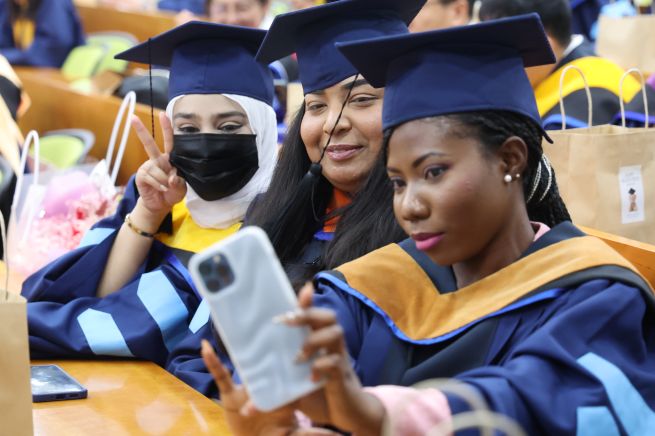
International students studying in South Korea pose for commemorative photos at a graduation ceremony. (Yonhap)
The most frequently cited obstacle was the D-10 job-seeker visa, which requires renewal every six months and mandates that applicants maintain at least 5 million won (about $3,700) in their bank accounts. Holders of the visa are also barred from part-time work, making it difficult to cover living expenses while searching for jobs.
“Right after graduation, most people simply don’t have that kind of money,” one interviewee said, adding that the system made it feel as though graduates were being pushed out of the country.
Pathways to employment-based visas were also described as restrictive. The E-7 professional worker visa requires strict job relevance, relatively high income thresholds and active cooperation from employers—conditions many interviewees said were unrealistic for new graduates.
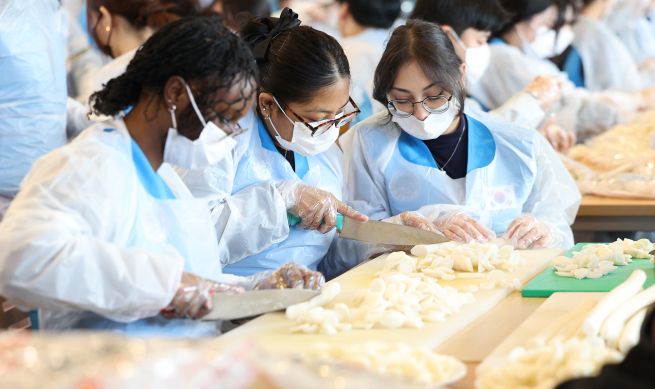
International students try their hand at making tteokguk, a traditional Korean rice cake soup. (Yonhap)
Research visas, such as the E-3, were criticized for their short renewal cycles and the risk of immediate loss of legal status in the event of unemployment.
The study argues that these policies send a contradictory message at a time when South Korea publicly promotes the attraction of global talent.
While government strategies emphasize expanding international student enrollment, the authors contend that the visa system in practice discourages long-term settlement.
As a result, some graduates reported using their South Korean education as a stepping stone to pursue opportunities in the United States or Europe instead.
The researchers called for urgent reforms, including more flexible job-seeker visas, closer coordination among local governments, universities and employers, and expanded options for family reunification.
Such measures, they argued, would improve the likelihood that international graduates choose to build their lives—and careers—in South Korea rather than leaving soon after earning their degrees.
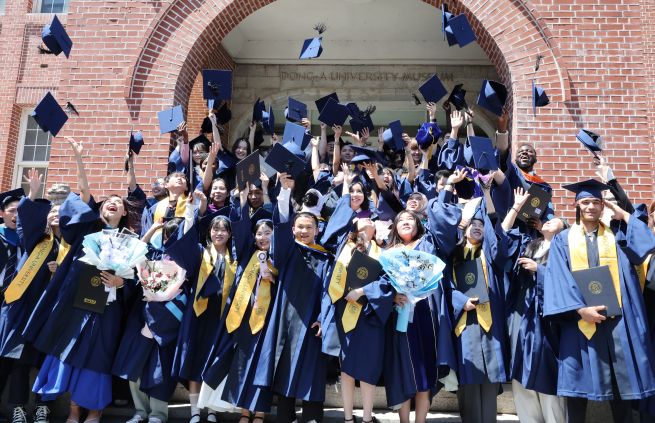
On August 21, international students pose for a commemorative photo in front of the Seokdang Museum after the 2024 fall semester graduation farewell ceremony for foreign students at Dong-A University’s Bumin Campus in Seo District, Busan. This semester, a total of 74 international students from nine countries graduated, including 22 undergraduates, 45 from the general graduate school, and 7 from the international graduate school. (Yonhap)
Lina Jang (linajang@koreabizwire.com)