Farm machinery powered by used electric vehicle batteries (Photo courtesy of Jeju Province)
JEJU, Sept. 30 (Korea Bizwire) — Jeju Province will roll out a three-year pilot program to repurpose used electric-vehicle batteries into agricultural machinery and energy storage systems, underscoring South Korea’s broader push to strengthen its battery recycling industry.
The project, set to run through 2027, will supply 100 devices—including farm equipment, transport robots, and streetlights powered by repurposed batteries—to eight rural and energy-poor villages this year, backed by 1.6 billion won ($1.2 million) in funding. Companies such as Daedong Robotics, Nextgrid, and the Korea Testing Laboratory are participating in the consortium.
Only batteries that pass certification and safety checks with at least 60 percent remaining capacity will be reused. Jeju will also build a national battery resource center, with a 13 billion won ($94 million) budget proposal awaiting parliamentary approval.
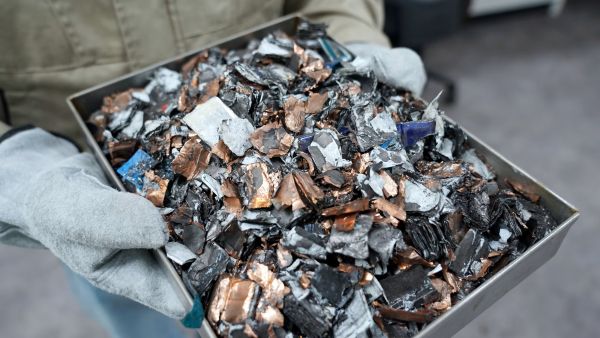
“Lithium Battery Flake (LiB Flake)” produced by crushing used batteries at the pack or module level (Photo courtesy of Young Poong)
The initiative coincides with a broader policy debate in Seoul. Lawmakers are reviewing the “Used Battery Industry Promotion Act,” which would establish legal grounds for recycling batteries containing strategic minerals like lithium, nickel and cobalt.
The bill could either mandate minimum reuse quotas, ensuring steady demand for recyclers, or set non-binding targets, leaving adoption to market forces.
South Korea aims to raise its recycling rate for key minerals to 20 percent by 2030, up from an average of just 7 percent last year. Officials project that retired EV batteries will surge from about 8,300 units in 2024 to more than 107,000 by 2030, making reuse essential to easing supply chain risks and advancing the circular economy.
While both ruling and opposition parties back swift legislation, the debate over mandatory versus voluntary reuse is expected to dominate the coming National Assembly session.
Ashley Song (ashley@koreabizwire.com)