Survey Finds Most Victims of Workplace Harassment in Korea Choose Not to Report Abuse (Yonhap)
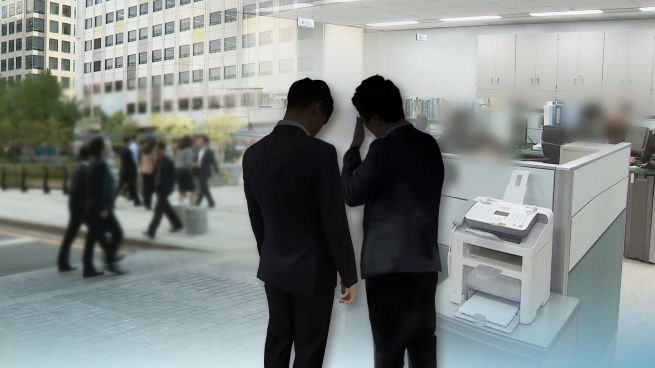
SEOUL, Oct. 16 (Korea Bizwire) — Despite six years under South Korea’s workplace bullying ban, nearly one in three employees who experience or witness such abuse choose not to report it, often fearing retaliation or reputational harm, a new government survey shows.
According to data obtained by Rep. Kim Wi-sang of the People Power Party from the Ministry of Employment and Labor, 28.8 percent of 1,000 workers surveyed in 2024 said they had encountered or observed workplace bullying within the past year. Yet 31.3 percent of those victims or witnesses said they took “no action.”
Respondents cited concerns that their identities or details of the incident could become known, leading to disadvantage or criticism, as well as doubts that perpetrators would face meaningful punishment. Another 17 percent said they ultimately resigned to escape the hostile environment.
The findings reveal that despite a 2019 amendment to the Labor Standards Act prohibiting workplace harassment, the law’s effectiveness remains limited. The survey found persistent uncertainty about what constitutes “legitimate workplace supervision,” leaving many reluctant to pursue formal complaints.
Verbal abuse was the most common form of bullying reported, followed by ostracism, gossip, coercion, and discrimination. More than half of alleged perpetrators were direct supervisors, and bullying was most frequently reported among employees in their 30s and at the assistant manager level.
Compounding the problem, awareness of government support programs remains low. Thirty percent of respondents said they were unaware of available services such as the Korea Labor and Employment Education Institute’s training courses, local labor office reporting systems, or employee assistance counseling programs.
When asked how their workplaces had changed since the bullying prohibition took effect in 2019, 37.8 percent said “nothing had changed.”
Rep. Kim said the results highlight the need for stronger institutional protections. “We must create mechanisms that allow victims to seek redress directly through the Labor Relations Commission without fear of retaliation,” he said.
Lina Jang (linajang@koreabizwire.com)