When AI Meets Overcrowded Classrooms: How Korea’s Universities Lost Control of Integrity (Yonhap)
SEOUL, Nov. 12 (Korea Bizwire) — As cheating scandals involving artificial intelligence spread across South Korean universities, experts say the problem stems less from student morality and more from institutional complacency—where large-scale, online classes have outpaced ethical oversight.
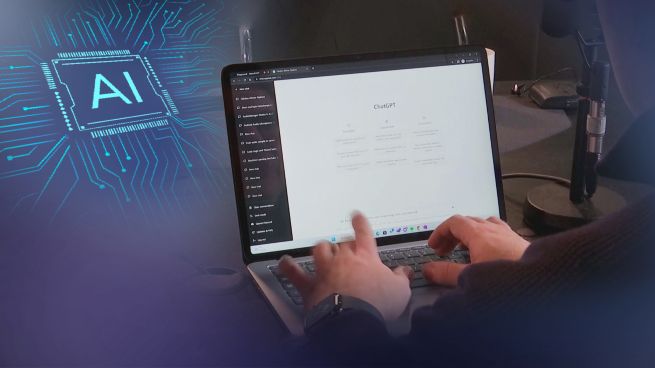
According to professors and education researchers, the combination of budget-driven mass lectures and the rapid advance of AI tools has created an environment ripe for plagiarism and misconduct.
“Universities have increasingly relied on large classes to cut costs, leaving professors unable to properly monitor students,” said a professor at a private university in Seoul, who requested anonymity. “Online exams, in particular, depend almost entirely on students’ honesty, which is an administrative convenience disguised as education.”
Government data show that at Yonsei University, the number of large lectures with more than 200 students jumped from 75 in 2020 to 104 last year, while remote courses soared from 34 to 321 over the same period.
Former Gwangju National University of Education president Park Nam-ki said universities have failed to adapt to the AI era. “We can’t ban AI use anymore. The question is how to design programs that help students grow while using it responsibly,” he said. “To build ethical education and clear guidelines, universities must reinvest in teaching quality and faculty capacity.”
Kim Myung-joo, director of the AI Safety Research Institute, echoed the call for reform, urging the Ministry of Education to discourage large-scale lectures altogether. “Universities that continue to expand mega-classes should face penalties in their evaluations,” he said.
Lina Jang (linajang@koreabizwire.com)