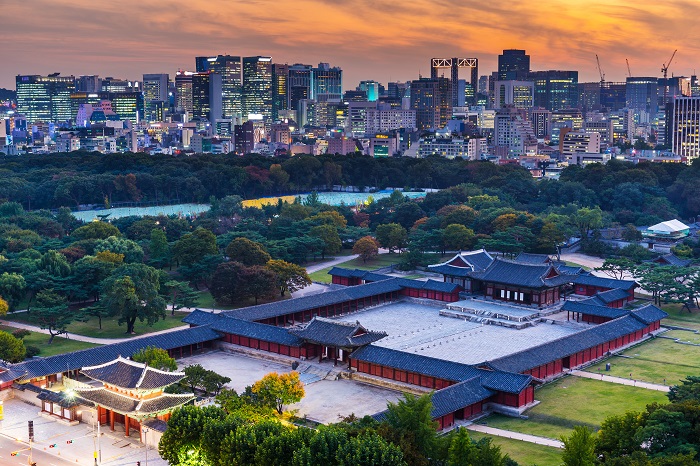
Seoul city where both tradition and modern features coexist, is increasingly expensive place to reside in as home prices are soaring these days. (Image credit: Kobiz Media/Korea Bizwire)
SEOUL, Dec. 18 (Korea Bizwire) — South Korea plans to expand its national heritage–based industries into a ₩100 trillion ($75 billion) market over the next five years, positioning cultural legacy as a core driver of the country’s global soft power, the Korea Heritage Service (KHS) said Wednesday in its 2026 policy blueprint.
The initiative comes amid a surge in global interest in K-culture and aims to strengthen the economic ecosystem surrounding historical tourism, digital content, traditional crafts and heritage-inspired consumer goods — a sector currently valued at roughly ₩9 trillion.
KHS said it will use artificial intelligence, big data and advanced digital technologies to build intellectual property assets, support game, film and drama studios using heritage themes, and create a comprehensive heritage database.
South Korea will also stage an intensified diplomatic and cultural campaign ahead of July 2026, when Busan hosts the UNESCO World Heritage Committee — the first time the country will preside over the body since joining the World Heritage Convention in 1988. The agency plans to showcase Korean culture through a series of events and pursue joint declarations with member states.
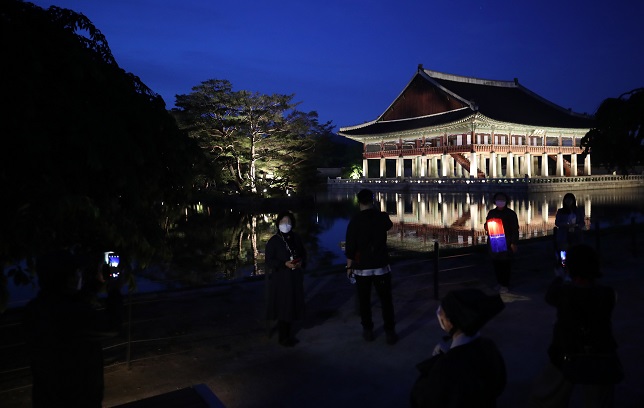
Visitors look around Gyeongbok Palace in central Seoul on May 27, 2020, as popular nighttime tours of royal palaces in the capital resumed after months of suspension due to the novel coronavirus outbreak. (Yonhap)
The government is preparing several major UNESCO bids next year, including the second-phase inscription of “Getbol, Korean Tidal Flats”; the “Danwon High School 4·16 Archive”; and two historical culinary texts, Suun Japbang and Eumsik Dimibang, for Memory of the World recognition. The heritage of traditional hanji papermaking will also undergo evaluation for inclusion on the Intangible Cultural Heritage list.
In a notable move, the agency said it will seek a joint North–South Korea inscription of taekwondo as an Intangible Cultural Heritage element, following North Korea’s separate application last year. Seoul plans to open public nominations for the next UNESCO filing in January.
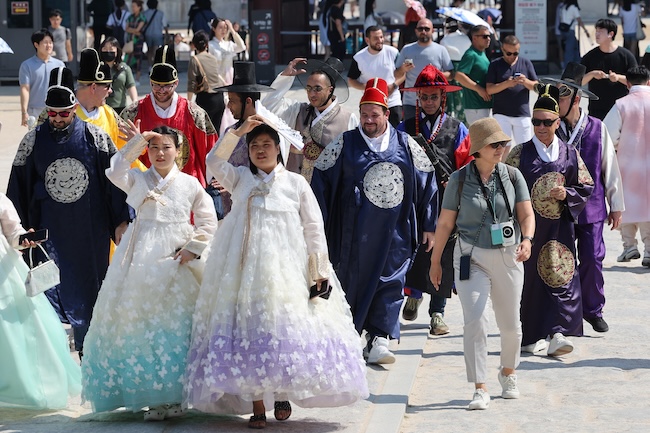
Foreign tourists visit Gyeongbok Palace in Seoul on June 13, 2024. (Image courtesy of Yonhap)
Beyond global outreach, the blueprint outlines expanded efforts to safeguard and modernize domestic heritage management. The KHS will push for legislation governing disaster-response protocols for heritage sites as climate-driven damage intensifies. Satellite-based monitoring systems are under development to strengthen early-warning capabilities.
The agency also plans to identify overlooked contemporary heritage — from modern landscapes to oral traditions and even temple restrooms — while integrating existing cultural, natural and intangible heritage committees into a unified National Heritage Committee beginning in May.

On December 14, at Gocheok Sky Dome in Seoul’s Guro District, G-Dragon brought his world tour “Ubermensch” to a close, exuding a commanding charisma as he captivated fans during the encore concert. (Image courtesy of Galaxy Corporation)
Marking the 100th anniversary of the old Seoul Station building, the KHS said it will begin restoration to reestablish its historical identity as a rail heritage site by 2028.
International collaboration is also expanding, with joint underwater archaeology projects under consideration in Japan and Vietnam, following ongoing excavations at the Kültepe site in Türkiye.
KHS Commissioner Heo Min separately called on the Seoul Metropolitan Government to respond to UNESCO’s inquiry regarding redevelopment plans around the Seun District near Jongmyo Shrine, warning that prolonged silence could affect the protection of the World Heritage site.
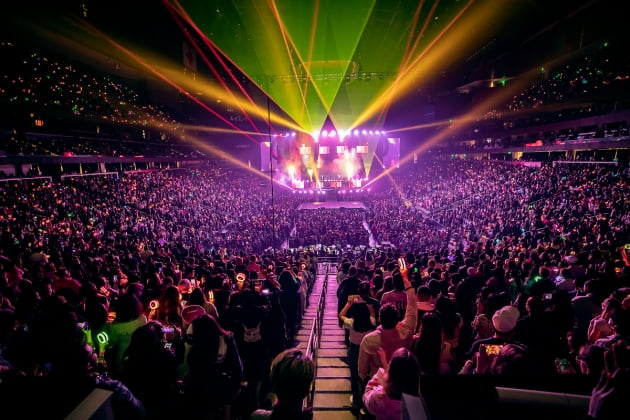
Girl group TWICE in concert. (Photo courtesy of JYP Entertainment)
Lina Jang (linajang@koreabizwire.com)