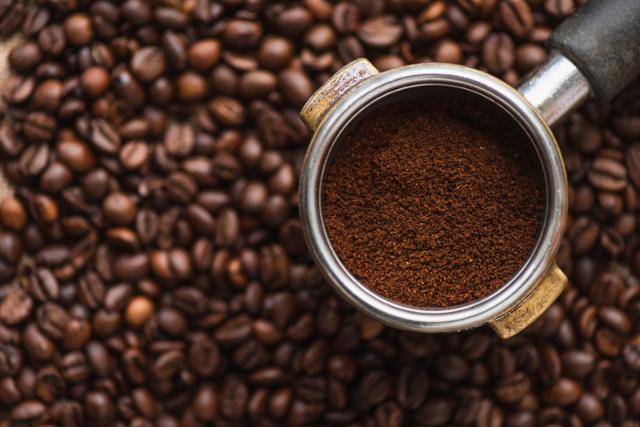
Coffee grounds have a high calorific value, making them suitable for use as biofuel, and can also be recycled in a variety of ways, including as compost and feed for livestock farms, eco-friendly building materials, and growing media for mushroom cultivation. (Image courtesy of Getty Image Bank/CCL)
SEOUL, Dec. 24 (Korea Bizwire) — South Korea will exempt a wider range of low-risk recyclable materials from mandatory import insurance requirements, a move aimed at securing recycling inputs and accelerating the country’s transition to a circular economy, the government said Monday.
The Ministry of Climate, Energy and Environment announced that it will revise enforcement rules under the law governing cross-border waste movement, expanding exemptions from import guarantee insurance or deposits to include materials such as waste glass, used cooking oil, coffee grounds and electric vehicle batteries. The amendment will be open for public comment through Feb. 2.
Under the current system, waste importers are required to purchase guarantee insurance or place deposits to ensure proper disposal and prevent illegal dumping, with average annual premiums of about 2.3 million won ($1,700). Until now, exemptions applied only to waste paper and scrap metal deemed to pose minimal environmental risk.
The revised rules will extend the exemption to 10 categories of so-called circular resources, including scrap copper and aluminum, metal cans, glass, spent EV batteries, rice bran and husks. Officials said the change reflects the relatively low environmental hazard of these materials and the growing need to secure recyclable raw materials.
As of last year, South Korea imported about 1.04 million tons of recyclable waste, of which roughly 180,000 tons fell outside waste paper and scrap metal. The ministry estimates the expanded exemption will reduce insurance costs by about 170 million won annually, with additional savings from simplified administrative procedures.
The government is also preparing further regulatory adjustments to facilitate the import and recycling of critical materials such as lithium, copper, nickel, cobalt and manganese, including extending the validity period for import approvals.
“This amendment is a first step toward rationalizing waste import regulations in response to the rising importance of securing recyclable resources,” said Kim Go-eung, head of the ministry’s resource circulation bureau. “We will continue to pursue regulatory improvements while ensuring environmental protection and safety.”
The changes align with the Democratic Party–led government’s broader push to balance environmental safeguards with industrial competitiveness as demand grows for recycled inputs in batteries and other clean-energy technologies.
Ashley Song (ashley@koreabizwire.com)