

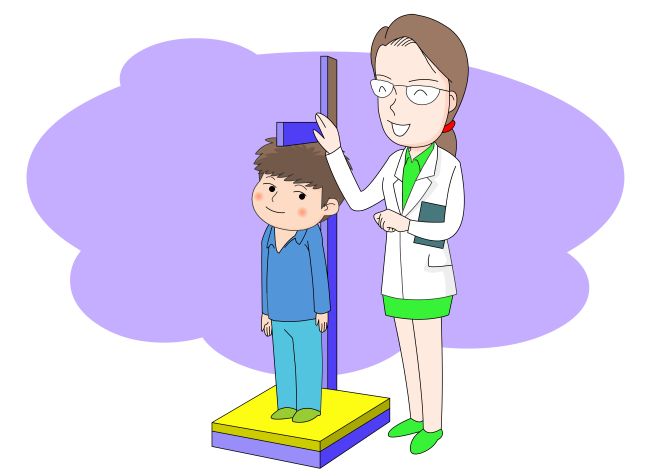
More Korean Parents Turn to Growth Supplements as Height Anxiety Rises (Image courtesy of Yonhap)
SEOUL, Oct. 24 (Korea Bizwire) — Roughly one in three South Korean parents have given their children nutritional supplements such as calcium, vitamin D, or height-enhancement products to promote physical growth, a new survey has found.
The Korean Society of Pediatric Endocrinology (KSPE) released the findings Thursday in partnership with Gallup Korea, based on a survey of 2,012 parents with children aged 5 to 18 conducted between June and July.
According to the study, 58.7 percent of parents encouraged physical exercise, while 37 percent provided specific foods believed to aid growth. Another 33.9 percent administered calcium, 32.4 percent gave vitamin D, and 28 percent used commercial growth supplements. A smaller share—4.6 percent—reported using growth hormone injections.
Among parents who said their children had experienced growth-related issues, nearly half (47 percent) had tried growth supplements. Still, 75.7 percent of all respondents said the results were “average” or “ineffective.”
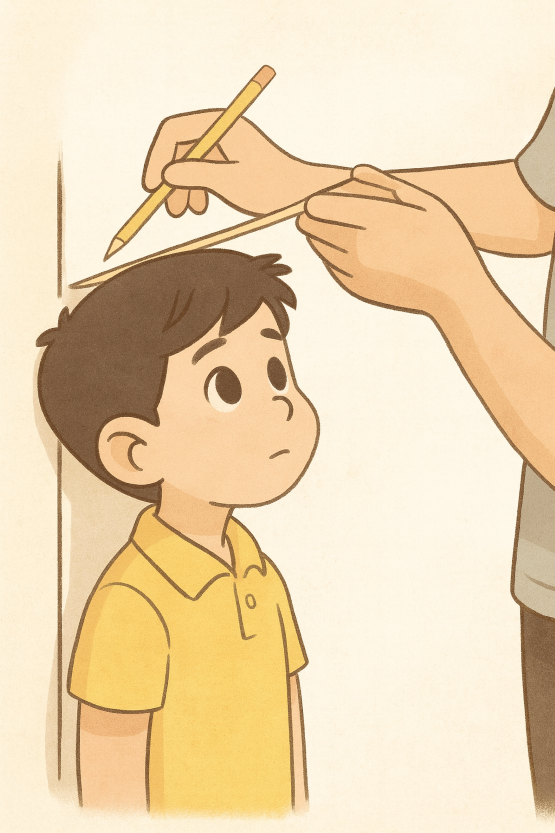
Chasing Centimeters: Korean Parents’ Quiet Struggle Over Children’s Height (Image supported by ChatGPT)
When asked about their expectations for their children’s adult height, parents said they hoped for an average of 180.4 centimeters for boys and 166.7 centimeters for girls—roughly five centimeters taller than the national average for people in their 20s.
While many parents expressed a strong desire for taller children, the survey also revealed growing habits that could hinder physical development. More than half of children (51.7 percent on weekdays and 71 percent on weekends) spent over two hours a day using electronic devices such as smartphones or computers.
Even among elementary school students, the weekday figure was 43.5 percent, more than double the rate recorded in 2016.
Sleep deprivation was also common: 36.3 percent of elementary school students reported sleeping less than eight hours per night, up from 35.2 percent in 2016. Meanwhile, over half of parents (55.3 percent) said their children exercised fewer than three times a week, with most citing busy schedules as the main reason.
Nutritional habits were another concern. Nearly one in five children (19.6 percent) did not eat three regular meals a day. Among high school girls, 40.2 percent reported eating two meals or fewer per day, while 7.3 percent of preschoolers said they often skipped breakfast.
“Parents should first consult medical professionals if their child’s height seems below average,” said Lee Hae-sang, a spokesperson for the KSPE. “If no medical issues are found, regular meals, consistent exercise, and sufficient sleep remain the most important factors.”
KSPE President Hwang Il-tae added that some parents give their children several supplements at once, emphasizing that “overuse of growth products without medical supervision can do more harm than good.”
Lina Jang (linajang@koreabizwire.com)





So, children are due to grow up and be tall, sickly, physically weak, underfed with soft bones(esp. girls), screen-addicts, lack normal life-experience and be socially stunted? Great outlook…