Government Draft Signals End of 31-Year Guardian Mandate in Mental Health System (Yonhap)
SEOUL, Sept. 22 (Korea Bizwire) — South Korea is preparing to abolish a decades-old system that requires family members to act as legal guardians for psychiatric patients, a move hailed by advocates as a long-awaited step toward strengthening state responsibility for mental health care.
According to officials and welfare experts on Sunday, the draft of the government’s third National Mental Health and Welfare Plan (2026–2030) includes the elimination of the “legal guardian” requirement for involuntary psychiatric admissions. If finalized, it would mark the first such policy shift since the law was enacted in 1995, ending a 31-year-old system that many patients and families have called discriminatory.
The plan, unveiled by the Korea Institute for Health and Social Affairs during an advisory meeting earlier this month, signals a pivot from pandemic-era policies focused on “prevention and recovery” toward a broader agenda of “quality of life and self-reliance.” It frames mental health care as a universal right and emphasizes stronger oversight of treatment standards.
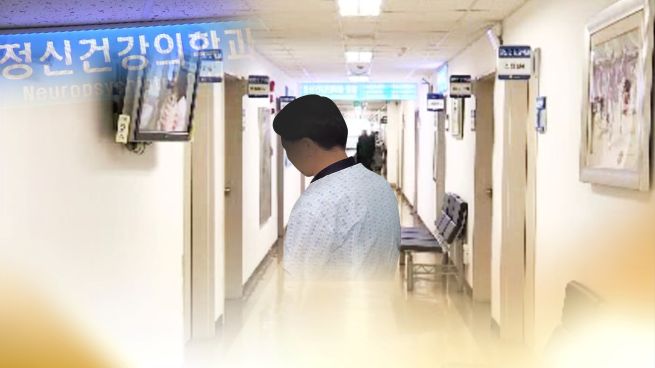
Under current law, involuntary admission to a psychiatric hospital requires the consent of a guardian — usually a parent, spouse or adult child — a rule critics argue shifts state responsibility onto families and fuels intra-family conflict. Advocacy groups have long campaigned for its removal, saying it reinforces stigma while exposing families to painful choices.
The draft also calls for overhauling emergency psychiatric care, revising rules on compulsory admission, and introducing new safeguards to protect patients’ rights. Other proposals include scrapping restrictions that bar people with mental illness from obtaining certain licenses, expanding access to psychiatric advance directives, and establishing peer support centers run by people with lived experience.
Local governments would also play a bigger role. The plan envisions municipal-level mental health centers serving as recovery hubs, supported by a significant expansion of trained professionals. The research institute recommended developing a national workforce model to address shortages and stabilize employment in the sector.
The Ministry of Health and Welfare said it will collect input from experts, stakeholders and patient groups before finalizing the plan later this year. A public hearing is expected in November or December.
“The direction is clear — strengthening rights and expanding state responsibility,” said one welfare official. “But the balance of priorities will ultimately be decided through consultation with experts and those directly affected.”
If enacted, the changes would reshape South Korea’s approach to mental health after years of criticism that the system left too much of the burden on families.
M. H. Lee (mhlee@koreabizwire.com)