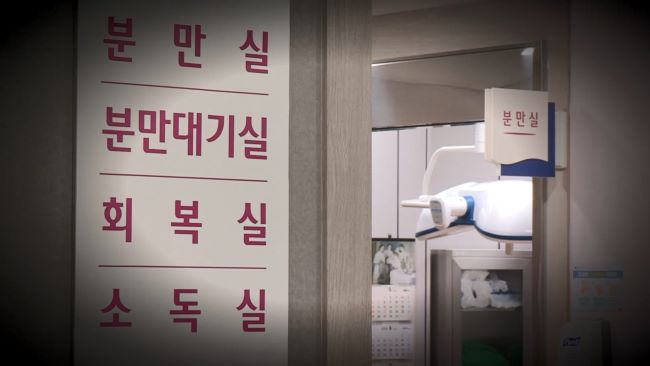
Obstetrics Delivery Room. (Image courtesy of Yonhap)
SEOUL, July 1 (Korea Bizwire) — Starting in July, 30 secondary hospitals across South Korea will begin offering round-the-clock medical services in five critical fields: burn treatment, microsurgery, childbirth, pediatrics, and cerebrovascular care, the Ministry of Health and Welfare announced Monday.
The initiative aims to bolster access to essential medical services in areas where supply is often insufficient and where timely treatment—within the so-called “golden hour”—can be life-saving.
The government will invest 30 billion won ($21.6 million) annually from the national health insurance fund to support the program, with plans to eventually expand the model nationwide.
The pilot program, titled the Essential Specialization Function Support Project, will run for three years beginning July 1. Unlike emergency rooms in tertiary hospitals, participating secondary institutions will maintain 24-hour availability in designated specialties, regardless of emergency care capacity.
This effort forms part of a broader structural reform to refocus tertiary hospitals on severe, rare, or emergency cases while empowering smaller “focused general hospitals” to take on more specialized roles in their communities.
The selected hospitals include five for burn care, eight for microsurgery, fifteen for childbirth and pediatric care, and two for cerebrovascular conditions. These hospitals are required to maintain 24/7 service—even on holidays—and to establish referral and cooperation networks with nearby tertiary centers and local clinics.
They will also be integrated into the national emergency transport system to receive patients as needed from regional medical command centers.
Hospitals will receive funding based on their service plans and actual performance, with top performers eligible for additional incentives.
“We expect about 1 billion won per hospital annually, totaling 30 billion won,” a Health Ministry official said, adding that the funding will be drawn from accumulated health insurance reserves and reallocation of existing expenditures.
Health Insurance Policy Director Lee Joong-kyu said the program will significantly improve regional healthcare quality by ensuring timely and continuous access to vital medical services during emergencies.
M. H. Lee (mhlee@koreabizwire.com)