Telegram Provides Korean Police with User Data in Major Policy Shift (Yonhap)
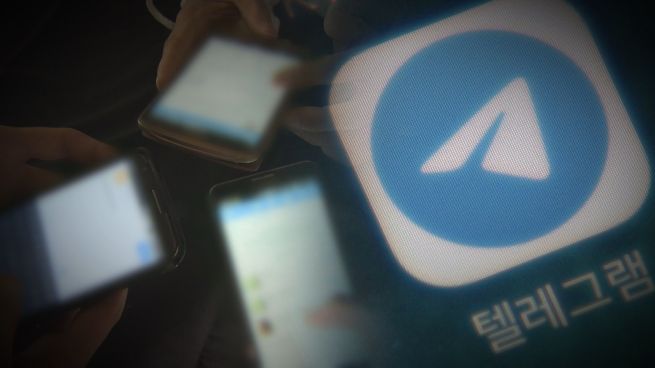
SEOUL, June 30 (Korea Bizwire) — Telegram, once known as a haven for anonymity and untraceable messaging, is now actively cooperating with South Korean law enforcement, signaling a significant turnaround in the platform’s stance on privacy and criminal investigations.
According to the National Police Agency, Telegram has responded to over 95% of investigative data requests from Korean authorities since October 2024. The platform has reportedly provided hundreds of case files, including subscriber information and IP logs, after internal reviews of each request for compliance with its policies and international law.
“Virtually all the data we request comes through,” said one police official. “The remainder is still pending review.”
This cooperation has led to a spike in arrests related to serious cybercrimes, including digital sex crimes, drug trafficking, and the creation of deepfake pornography. One high-profile case last month involved the arrest of a high school student in South Gyeongsang Province, accused of producing and distributing explicit deepfakes, along with 23 accomplices.
Investigators relied heavily on intelligence gathered via Telegram, combined with undercover operations.
Telegram’s policy shift follows the arrest of CEO Pavel Durov in France in August 2024, who faced charges related to the platform’s role in facilitating child pornography, drug sales, financial fraud, and money laundering. In the wake of his indictment, Telegram revised its privacy policies, moving toward a more transparent approach with international law enforcement.
However, some experts warn of a potential “balloon effect,” as criminals migrate to other encrypted messaging apps such as Signal, Viber, and SimpleX. In response, Korean authorities are reportedly expanding their cooperative efforts with other messaging platforms to prevent new safe havens from emerging.
Professor Lee Yoon-ho of Dongguk University noted, “Telegram’s shift could serve as a springboard for Korean police to build cooperation with other platforms that have so far resisted oversight.”
The evolution of Telegram’s stance underscores a growing global trend: even platforms built on privacy ideals are being compelled to rethink their responsibilities amid rising concerns over digital crime.
Kevin Lee (kevinlee@koreabizwire.com)