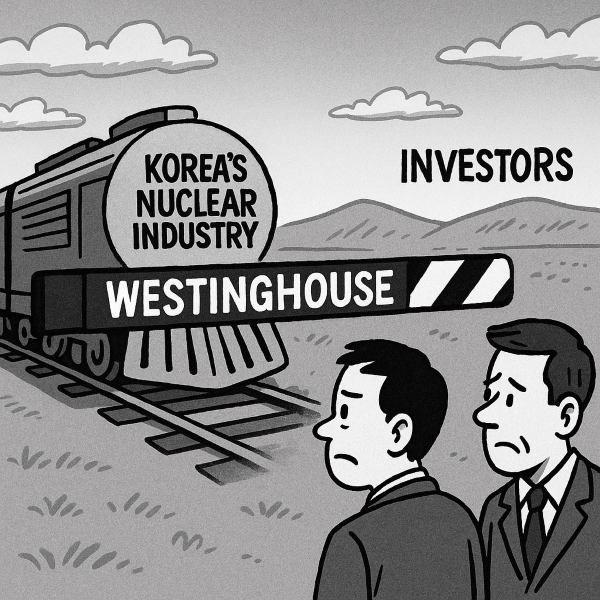
Korean Nuclear Dreams Stalled Abroad as Markets Close, Investors React at Home (Image supported by ChatGPT)
SEOUL, Aug. 20 (Korea Bizwire) — Shares of South Korea’s nuclear power companies tumbled Wednesday after revelations that a settlement with U.S. nuclear giant Westinghouse has sharply curtailed their access to major global markets.
By mid-morning trading, Korea Electric Power Corp. (KEPCO) was down more than 5 percent, while Doosan Enerbility dropped nearly 9 percent. Other nuclear-related stocks, including Hyundai Engineering & Construction, Korea Hydro & Nuclear Power’s affiliates, and KEPCO KPS, also fell in tandem, with some sliding more than 9 percent.
The sell-off comes amid growing controversy over a January agreement between Korea Hydro & Nuclear Power (KHNP), KEPCO and Westinghouse, which ended a protracted intellectual property dispute.
According to industry officials, the settlement included a confidential list of countries where Korean firms are permitted — and barred — from bidding on new nuclear projects.
That list leaves Korea locked out of North America, most of Europe, Japan and Ukraine — markets reserved for Westinghouse. KHNP and KEPCO are instead restricted to emerging markets such as Southeast Asia, the Middle East, Africa and parts of Latin America.
Eligible countries reportedly include the Philippines, Vietnam, Kazakhstan, Morocco, Egypt, Brazil, Argentina, Jordan, Turkey, the UAE and Saudi Arabia.
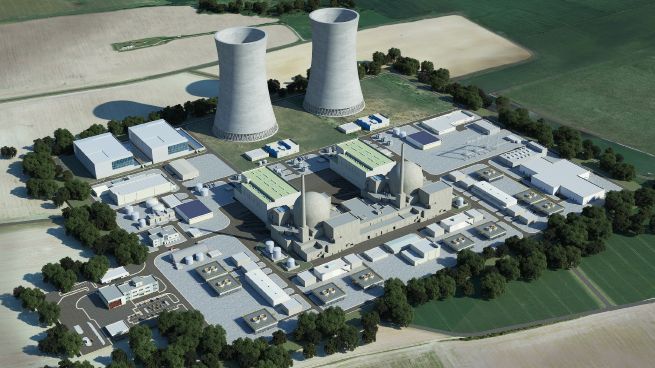
Rendering of the new Dukovany nuclear power plant in the Czech Republic (Yonhap)
To guarantee royalty and supply payments to Westinghouse, the Korean side also agreed to issue letters of credit worth $400 million per nuclear reactor exported, further fueling criticism that the deal was lopsided in favor of the U.S. company.
The repercussions are already being felt. On Tuesday, KHNP President Hwang Joo-ho confirmed during a parliamentary hearing that the company has withdrawn from Poland’s nuclear project, once considered a key target for Korean exports. Hwang cited policy changes by Poland’s new government, which scrapped a state-owned nuclear initiative.
Just a year ago, South Korea’s nuclear ambitions in Europe looked bright. KHNP had been named the preferred bidder for the Dukovany nuclear project in the Czech Republic, raising hopes of follow-on contracts in countries like the Netherlands.
But since the Westinghouse deal, KHNP has pulled out of projects in Sweden, Slovenia and the Netherlands, sparking speculation that Seoul effectively ceded Europe to its American rival.
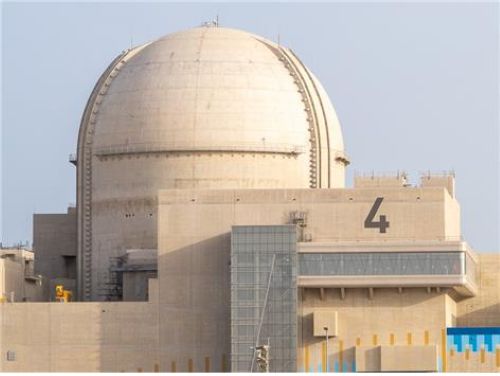
This undated file photo provided by Korea Electric Power Corp. shows the Barakah nuclear power plant in the United Arab Emirates. (Yonhap)
Analysts say the shift underscores a strategic pivot: with the doors to Europe and North America closing, South Korea is turning to the Middle East and Asia to sustain its nuclear export drive.
KEPCO has been pursuing deals in Saudi Arabia and Vietnam, while KHNP is increasingly focusing on small modular reactors (SMRs) and next-generation designs to differentiate its offerings in new markets.
For investors, however, the latest developments reinforce concerns that South Korea’s once-promising nuclear export agenda has been severely constrained. The market reaction suggests skepticism over whether emerging markets alone can fill the void left by the loss of Europe and Japan.
M. H. Lee (mhlee@koreabizwire.com)