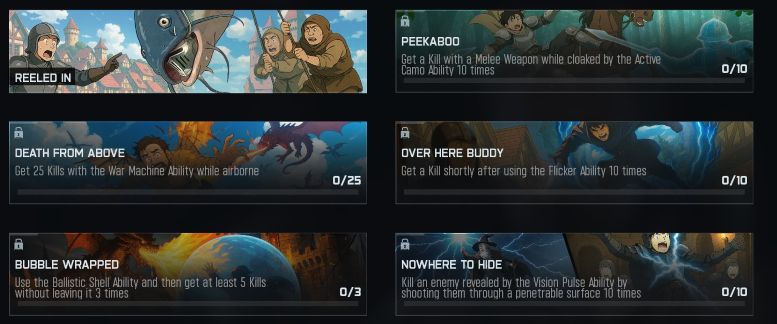
An image from Call of Duty: Black Ops 7 that has sparked allegations of AI generation. (Captured from X)
SEOUL, Nov. 21 (Korea Bizwire) — As generative artificial intelligence becomes mainstream in game development, a fierce debate is emerging over the use of AI-generated art, voice acting and other digital assets — with players and creators accusing studios of sacrificing quality and authenticity for efficiency.
The controversy resurfaced sharply after Activision acknowledged using AI in “Call of Duty: Black Ops 7,” released Nov. 14. Players complained that many cosmetic profile images appeared stylistically out of place and were clearly produced by AI, prompting the company to admit through media outlets that AI tools were involved in production.
A similar dispute has engulfed Nexon’s Swedish subsidiary Embark Studios, developer of the survival shooter “Arc Raiders.” The game launched to strong reviews, boasting high technical polish and reaching over 480,000 concurrent users on Steam. But some Western players later discovered that character voices were generated by AI rather than recorded by human actors, calling the performances “soulless.”
Eurogamer, the prominent U.K. gaming outlet, issued a harsh two-star review, citing the use of AI voice acting as a major flaw — an even lower score than it gave Sony Interactive Entertainment’s failed title “Concord,” which shut down after only two weeks of service last year. Fans, in turn, criticized Eurogamer for an “irrational” assessment, intensifying the dispute.

The area around Pangyo Station in Bundang District, Seongnam, Gyeonggi Province, where major Korean game companies are clustered. It is often referred to as Korea’s Silicon Valley. (Provided by Seongnam City)
Creative industries push back
Illustrators and voice actors across major markets have begun organizing against AI encroachment. SAG-AFTRA, the Hollywood actors’ union, condemned Epic Games in May for using AI-generated character voices in “Fortnite” and filed an unfair labor practice complaint with the U.S. National Labor Relations Board.
In Japan, the Japan Video Association and the Japan Cartoonists Association issued a joint statement last month with major publishers such as Kadokawa and Kodansha, demanding that OpenAI disclose training data used to develop its video-generation model Sora 2.
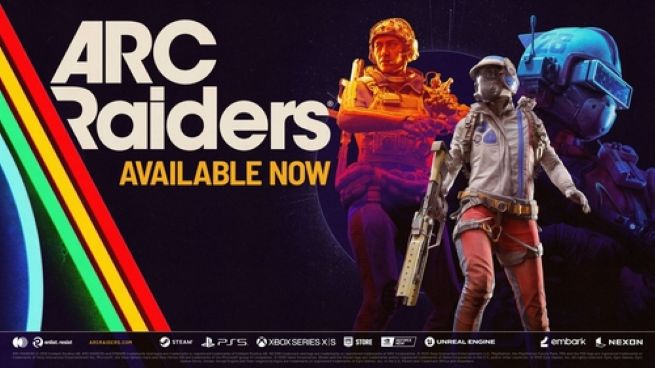
Arc Raiders (Image courtesy of Nexon)
Studios say AI adoption is inevitable
Despite mounting criticism, many game studios argue that AI is now indispensable to production. Krafton declared an “AI-first” transition last month, pledging to integrate AI into both development and management — even as it reported record cumulative operating profit in the third quarter and simultaneously offered a voluntary resignation program to all employees. The company denied that the program was linked to workforce cuts, though many in the industry view it as part of an AI-driven restructuring.
Developers say AI already plays a daily role. An executive at a midsize Korean game studio said AI tools have been used since 2022 for planning and concept development, with some AI-generated images incorporated into final assets after retouching. “Players are resistant,” he said, “but considering the pace of AI development, this is an unavoidable trend.”
A representative from an outsourcing firm added that original art commissions have dropped to “half of previous levels” since last year, attributing the decline to rising use of AI in concept art production.
As the industry grapples with the tension between innovation and craftsmanship, the question is no longer whether AI will reshape game development — but how much of the creative process players will accept being handed over to machines.
Kevin Lee (kevinlee@koreabizwire.com)