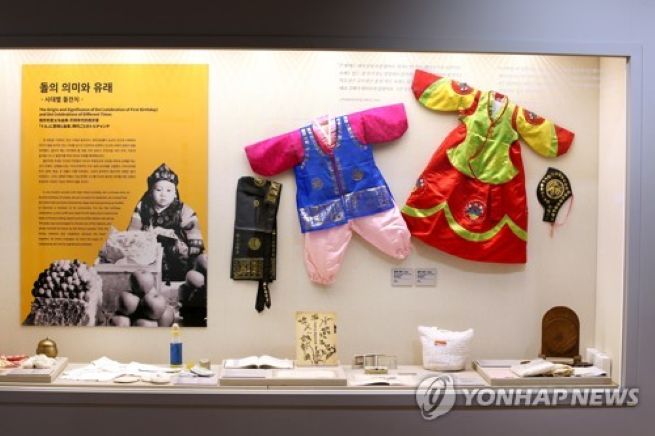
Before medicine advanced to its current level, when it was difficult for newborns to survive beyond their 100th day or first birthday, it was common to hold elaborate celebrations for a baby’s 100-day milestone and first birthday.
SEOUL, Dec. 22 (Korea Bizwire) — As soaring prices and rising gold costs strain household budgets, South Korea’s long-standing tradition of lavish first-birthday celebrations for infants, known as doljanchi, is steadily giving way to smaller, more private observances.
Once marked by banquet halls, elaborate ceremonial tables and gold rings given as gifts, doljanchi has increasingly been pared down to family meals, modest photo shoots or skipped altogether.
Parents cite high venue rental fees, catering costs and the burden of hosting guests at a time of persistent inflation. Several new parents said that even simplified events can run into millions of won, making them feel excessive for a single-day celebration.
Guests, too, are feeling the pressure. The customary gold ring gift, once affordable, has become prohibitively expensive as gold prices have climbed sharply over the past two decades. Jewelers say a standard one-don ring now costs several times what it did in the early 2000s, prompting many invitees to opt for cash gifts or smaller commemorative items instead.
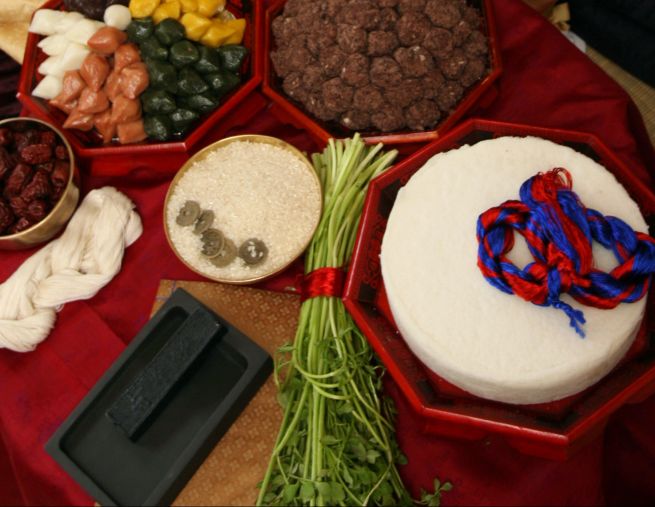
Traditionally, the foods arranged on a first birthday table are chosen to symbolize wishes for a baby’s health and good fortune. For example, red bean rice cakes are included because the red color of the beans is believed to ward off misfortune, expressing a hope for the child’s well-being and long life. (Yonhap)
Surveys reflect this shift in sentiment. Nearly nine in ten respondents in a recent poll said they felt burdened by the expectation of giving gold rings, while cash gifts ranked as the most preferred alternative.
Online forums and social media platforms are filled with comments expressing fatigue over attending multiple milestone events—weddings followed soon after by first-birthday parties—each carrying implicit financial obligations.
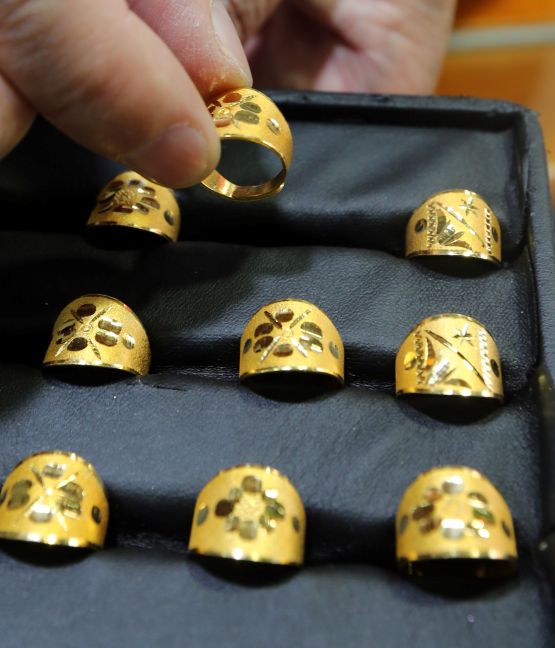
Rings given at a child’s first birthday celebration are a traditional gift rooted in the custom of wishing the baby good health and a long life. (Yonhap)
Experts say the trend reflects broader social changes. Economists note that celebratory events are often the first to be scaled back during economic downturns, while sociologists argue that evolving communication habits and social norms have reduced the need for large gatherings to affirm relationships.
The move toward simpler celebrations, they say, signals a shift toward a culture that prioritizes minimizing mutual burdens over maintaining costly traditions.
As South Korea continues to grapple with high living costs and changing family dynamics, doljanchi—once a hallmark of communal celebration—appears to be quietly transforming into a more restrained, family-centered rite.
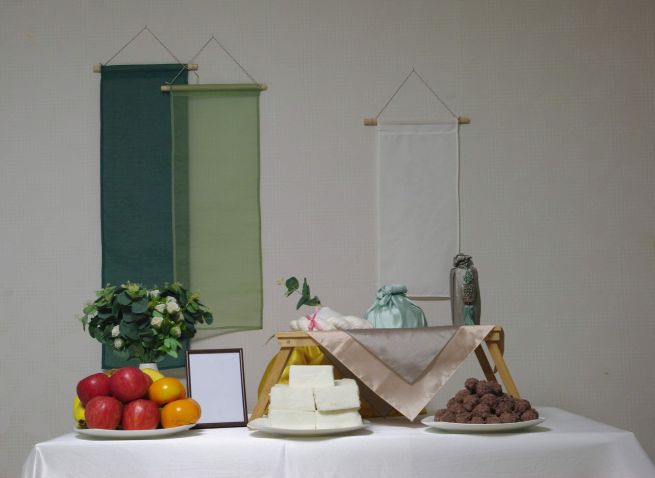
Before medicine advanced to its current level, when it was difficult for newborns to survive beyond their 100th day or first birthday, it was common to hold elaborate celebrations for a baby’s 100-day milestone and first birthday. (Yonhap)
Lina Jang (linajang@koreabizwire.com)