South Koreans Spend Less Cash but Hoard More as Economic Uncertainty Grows (Yonhap)
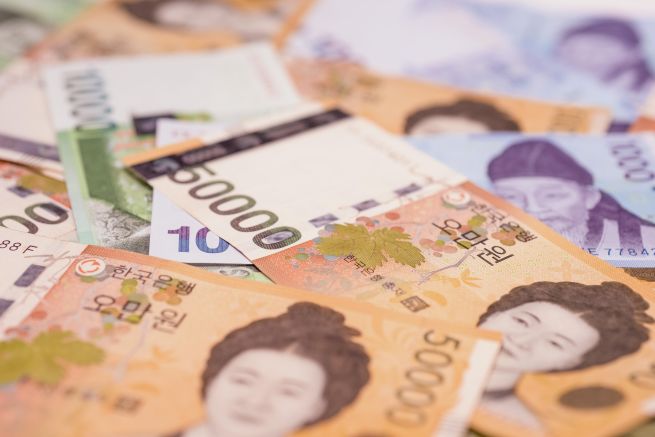
SEOUL, Dec. 29 (Korea Bizwire) — South Koreans are using less cash in their daily lives than ever before, but are holding on to more of it as a financial buffer, according to a new survey released by the Bank of Korea on Sunday.
The central bank’s 2025 comprehensive survey on currency usage found that individuals spent an average of 324,000 won ($240) in cash per month, a 36 percent decline from 2021 and a 60 percent drop from a decade earlier. Cash now accounts for just 17.4 percent of monthly household spending, down sharply as cards and mobile payment services have become routine.
Yet even as cash transactions fade, the amount of cash people carry and store has risen. The average amount of cash held for everyday transactions climbed to 103,000 won, up more than 25 percent from four years ago, while precautionary cash holdings — money kept for emergencies — surged to an average of 541,000 won per person, a more than 50 percent increase since 2021.
The trend reflects growing economic anxiety, the Bank of Korea said. While nearly 43 percent of respondents said they would reduce cash holdings if deposit rates rise, a similar share said they would increase cash reserves if economic uncertainty worsens.
Older adults and lower-income households remain more dependent on cash. People in their 70s and older used cash for nearly one-third of their spending, while households earning under 1 million won a month relied on cash for almost 60 percent of expenditures.
Businesses showed a similar pattern. Corporate cash spending fell sharply to an average of 1.13 million won per month, accounting for just 1.9 percent of total outlays. At the same time, corporate cash holdings more than doubled from 2021, as firms sought liquidity to guard against an increasingly uncertain business environment.
Public skepticism toward a fully cashless society remains strong. Nearly half of respondents opposed the idea, citing inconvenience for financially vulnerable groups and difficulties during emergencies.
The survey marks the first time the Bank of Korea combined its previous cash usage and currency satisfaction studies into a single, expanded assessment, reflecting how rapidly digital payments are reshaping — but not entirely replacing — the role of cash in South Korea’s economy.
Ashley Song (ashley@koreabizwire.com)