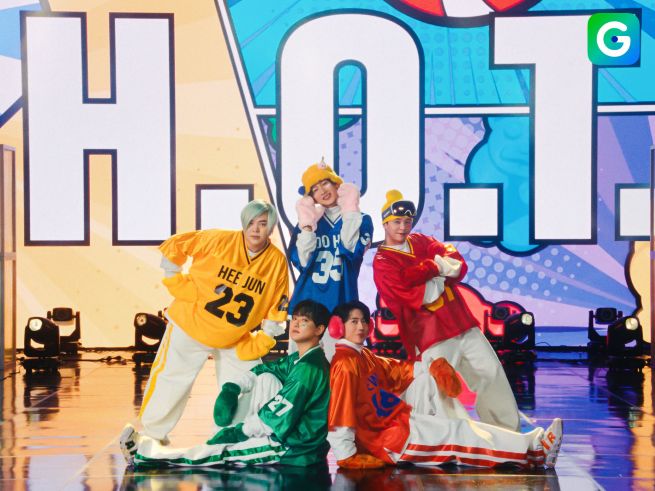
As Coupang faltered in the wake of a personal data breach, Gmarket — capitalizing on retro nostalgia — drew in consumers in their teens and 20s as well as returning users, posting year-on-year transaction growth last month for the first time in three years. The photo shows first-generation K-pop idol group H.O.T. appearing in a promotional video for Gmarket. (Image courtesy of Gmarket)
SEOUL, Feb. 9 (Korea Bizwire) — South Korea’s e-commerce industry, long defined by relentless price competition, is entering a new phase. Platforms are now vying for users not only with discounts, but with targeted marketing, curated experiences and artificial intelligence-powered personalization.
The shift has intensified as Coupang, the market leader, works to steady itself following a personal data leak late last year. While Coupang still commands the largest audience, rivals are pressing their advantage, seeking to capture younger consumers and win back lapsed users with what executives describe as “non-price strategies.”
Gmarket, once known as a first-generation open marketplace catering largely to consumers in their 30s and 40s, has staged a notable revival by leaning into retro-themed advertising campaigns.
According to industry data released Sunday, transaction volume among customers in their teens and 20s rose 33 percent in January from a year earlier — far outpacing growth among older age groups.
The platform also reported a 40 percent increase in visits from users who had been inactive for more than a year, with purchase rates among those returning customers climbing sharply. In January, Gmarket posted year-on-year transaction growth for the first time in three years.
Much of the momentum has been attributed to high-profile advertising campaigns featuring singers from the 1990s and early 2000s, including a reunion appearance by members of H.O.T. The short-form videos spread widely on social media, resonating with both younger audiences and older consumers drawn by nostalgia.
Whether the gains represent structural growth or a temporary marketing bump remains an open question, analysts say.
Other players are pursuing different paths.

SSG.com, backed by the Shinsegae Group, is emphasizing food expertise and fresh delivery anchored by E-Mart’s offline store network
SSG.com, backed by the Shinsegae Group, is emphasizing food expertise and fresh delivery anchored by E-Mart’s offline store network. Its strengthened membership program, which offers a fixed 7 percent reward rate and bundled benefits with online streaming services, is designed to lock in repeat customers.
Naver, the country’s dominant search platform, has launched Naver Plus Store, which uses artificial intelligence to analyze users’ life events — such as childbirth or relocation — and search context to recommend products. Membership perks also include bundled streaming content, including Netflix, in an effort to deepen engagement.
11st is focusing on “vertical services,” curating verified products in categories such as fresh groceries and luxury goods to build trust and loyalty.
The competition is playing out against the backdrop of shifting user metrics.
According to Wiseapp Retail, Coupang remained the clear leader in January with 33.18 million monthly active users. Yet its growth was modest, up 0.8 percent from a year earlier. By contrast, Gmarket’s monthly active users surged 25.4 percent to 6.8 million, while SSG.com rose 17.9 percent and 11st gained 4.1 percent.
Chinese cross-border platforms AliExpress and Temu, which had expanded rapidly upon entering the Korean market, saw their monthly active users decline by 4.6 percent and 3.4 percent, respectively.
New app installations tell a similar story. Gmarket’s installs jumped 25.4 percent from the previous month in January, the largest increase among major platforms. Naver Plus Store also posted strong growth, while Coupang and several others recorded declines.
Naver Plus Store, launched in March 2025, has quickly climbed into the top five by monthly active users, reaching 7.09 million in January. Its monthly growth rate approached 10 percent, narrowing the gap with Temu, which ranks fourth.
Industry observers say the battle for second place — and for future growth — will hinge less on who offers the steepest discounts and more on which platform delivers a distinctive, generation-specific experience.
“The focus is shifting from pure price competition to who can provide a fresh user experience to specific demographics,” one industry official said. “Turning short-term marketing wins into long-term loyalty will determine the next phase of Korea’s e-commerce landscape.”