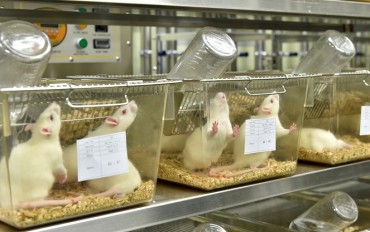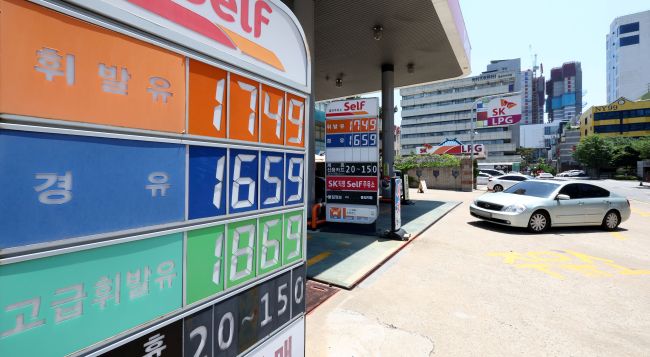
Imported diesel vehicles are facing another tough year, extending the downturn that began in 2024. (Image courtesy of Yonhap)
SEOUL, June 25 (Korea Bizwire) – Once the dominant force in South Korea’s imported vehicle market, diesel-powered passenger cars are facing a steep decline as consumers increasingly turn to cleaner alternatives.
According to data released Tuesday by the Korea Automobile Importers & Distributors Association (KAIDA), only 1,469 imported diesel passenger vehicles were sold in South Korea during the first five months of 2025, marking a 50.4% drop from the same period last year. In May alone, sales plummeted 60.2% year-on-year to just 349 units.
With no significant new diesel models slated for release this year, the annual total is unlikely to surpass 4,000 units, down from 7,521 in 2023—a dramatic fall from the segment’s peak of 167,925 units sold in 2015.
Diesel cars, once praised for their fuel efficiency, power, and quiet ride, accounted for 69% of all imported vehicle sales in 2015. Today, their market share has dwindled to just 1.3% in 2025, and could soon fall below 1%, KAIDA noted.
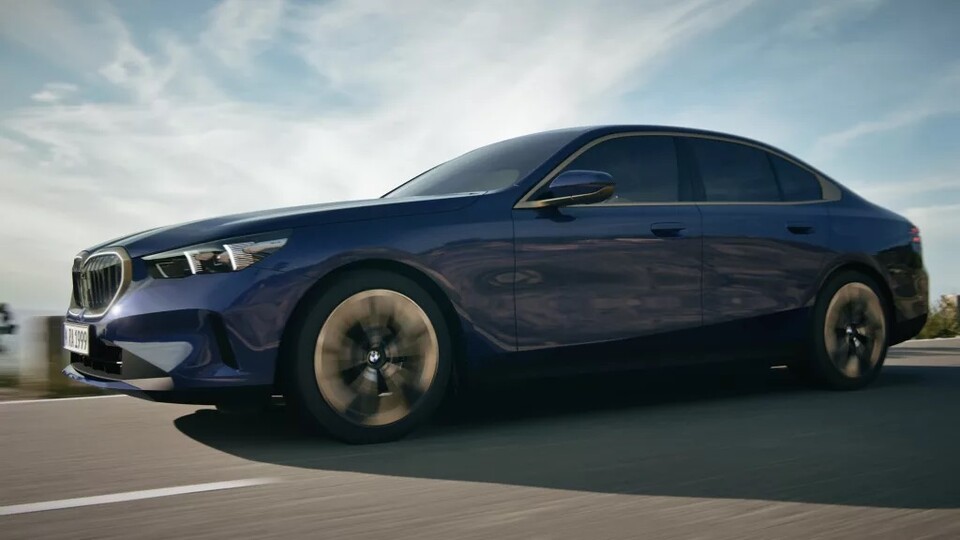
Once hailed as “clean diesel” and accounting for as much as 70% of imported cars in South Korea, the era of diesel vehicles is drawing to a close. Government decarbonization policies and the rise of eco-friendly alternatives such as hybrid and electric vehicles are prompting consumers to turn away from diesel, experts say. Pictured: The BMW 5 Series, one of the most popular imported diesel models. (BMW)
The downward trend is largely attributed to shifting environmental policies and consumer preferences. Diesel vehicles have come under increasing scrutiny due to their nitrogen oxide emissions, a major contributor to air pollution. In response, the market has rapidly embraced hybrid and electric vehicles, in line with global decarbonization efforts.
Imported diesel sales in South Korea began declining in 2016 and have since collapsed, shrinking nearly fortyfold in a decade. From 132,279 units in 2016, sales dropped to 74,235 in 2019, and further down to 22,354 last year.
“Compared to other markets, the shift toward hybrids and EVs is accelerating faster in South Korea,” said one industry official, adding that diesel is rapidly becoming a niche segment in a country now focused on green mobility.
The fall of diesel’s dominance, once synonymous with foreign car ownership in Korea, underscores the auto industry’s rapid transition in the face of environmental urgency and changing consumer.
Kevin Lee (kevinlee@koreabizwire.com)