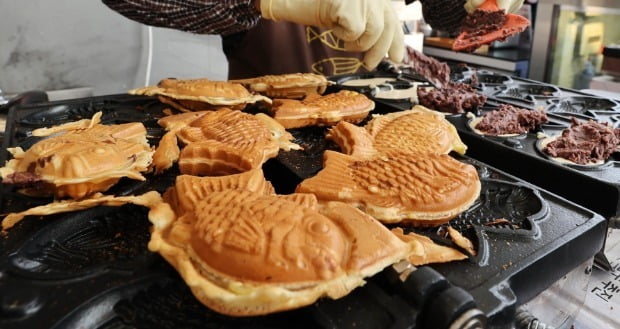
The popularity of bungeoppang reflects its deep cultural roots. (Yonhap)
SEOUL, Nov. 20 (Korea Bizwire) — Once a nostalgic winter street snack sold from roadside carts, bungeoppang — Korea’s fish-shaped pastry filled traditionally with sweet red bean — is fast becoming a breakout product in the global bakery market, buoyed by advances in frozen food technology and the worldwide rise of Korean pop culture.
According to data from the Korea Customs Service, bakery exports reached US$383.6 million from January to October this year, up 8.5 percent from the same period in 2024. Last year’s full-year figure hit an all-time high of $431.7 million, and industry officials expect another record in 2025.
Food companies say the surge is driven by Korean-style pastries such as bungeoppang and hoppang. Improvements in freezing techniques have allowed manufacturers to recreate the crispy exterior and soft interior of freshly made street food, repositioning the pastry as a year-round “HMR dessert” — a home meal–replacement sweet easily prepared at home.
That shift, coupled with global enthusiasm for K-culture, has propelled the product into major retail channels abroad.
Ottogi will launch four varieties of bungeoppang in the United States next month — matcha, sweet potato, red bean and custard — blending traditional Korean flavors with those calibrated for local preferences.
CJ CheilJedang, which designated bungeoppang as one of six strategic products in its K-street food portfolio, has expanded exports of its Bibigo-branded versions to the United States, Japan, the Philippines and Vietnam since debuting the product in 2023.
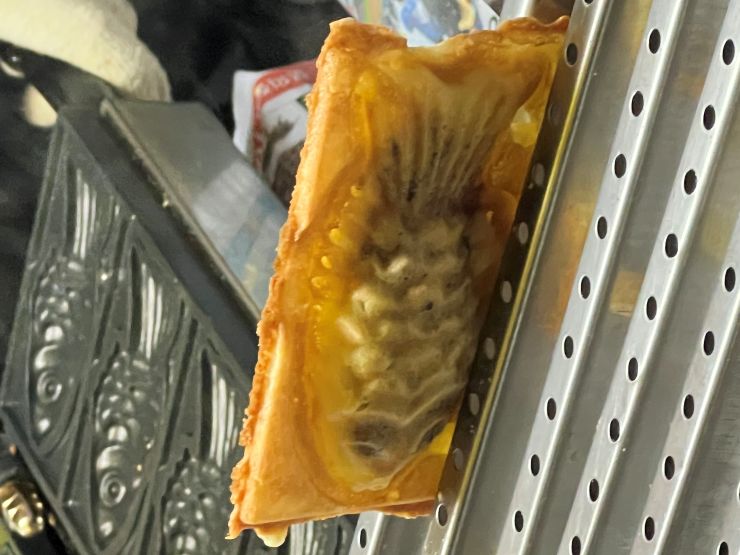
The fish-shaped pastry bungeoppang, a beloved winter snack in Korea. (Yonhap)
The company currently sells three varieties — red bean, custard and chocolate — and is exploring further category growth after releasing a matcha collaboration with Korean organic tea brand Super Matcha.
The trend extends beyond frozen pastries. Orion’s “Real Bungeoppang,” a snack modeled after the original shape, has seen explosive demand from Chinese tourists and recently expanded into U.S. Costco stores, boosting exports nearly tenfold from last year.
Analysts say bungeoppang’s global rise owes much to the visibility created by Korean travel vlogs, dramas and variety shows, where the pastry frequently appears as a must-try street food.
Persistently high bakery and coffee prices in major markets like the United States and Japan have also made the low-cost pastry an appealing alternative dessert. Its cute, photogenic shape naturally lends itself to social media virality.
Experts note that Korea’s food export landscape is rapidly diversifying. Beyond staples like ramen and dumplings, Korean brands are now pushing into frozen meals, baked goods and street food categories.
With its affordability, convenience and visual appeal, bungeoppang has emerged as a leading contender in expanding the global footprint of K-food — one fish-shaped pastry at a time.
Lina Jang (linajang@koreabizwire.com)