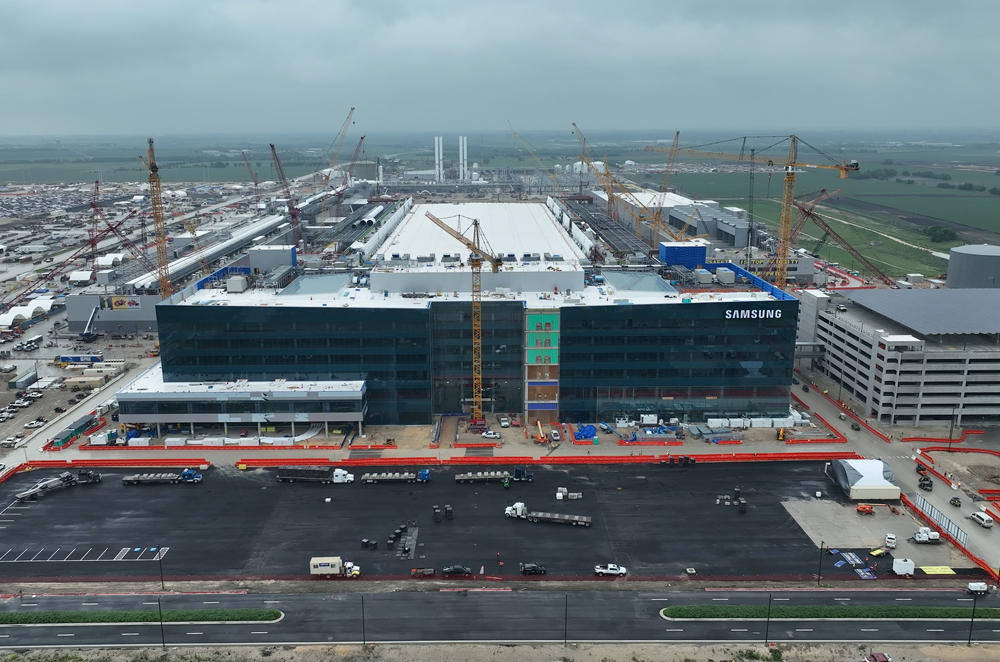
A view of Samsung Electronics’ semiconductor plant under construction in Taylor, Texas. (Image provided by Samsung Electronics)
SEOUL, Oct. 1 (Korea Bizwire) — South Korea’s largest conglomerates have sharply increased their lobbying expenditures in the United States, more than doubling their spending in the past five years as they navigate regulatory pressures, trade disputes, and large-scale investments in America.
According to new data released Wednesday by corporate tracker CEO Score, 52 Korean corporate entities reported lobbying activity in filings with the U.S. Senate under the Lobbying Disclosure Act between 2020 and the first half of 2025.
Reported spending surged from $15.5 million in 2020 to $35.3 million in 2024, a U.S. presidential election year, marking a 41.8 percent jump from the previous year. In the first half of 2025, Korean companies reported $19.7 million in lobbying outlays, up 12.6 percent year-on-year.
Samsung led all groups, spending $8.62 million in 2024 alone, including $6.06 million in direct lobbying and $2.56 million in indirect lobbying. Over the 2020–2025 period, Samsung’s cumulative spending reached nearly $40 million, followed by SK at $36 million, Hyundai Motor at $23.6 million, Hanwha at $13 million, and Coupang at $8 million.
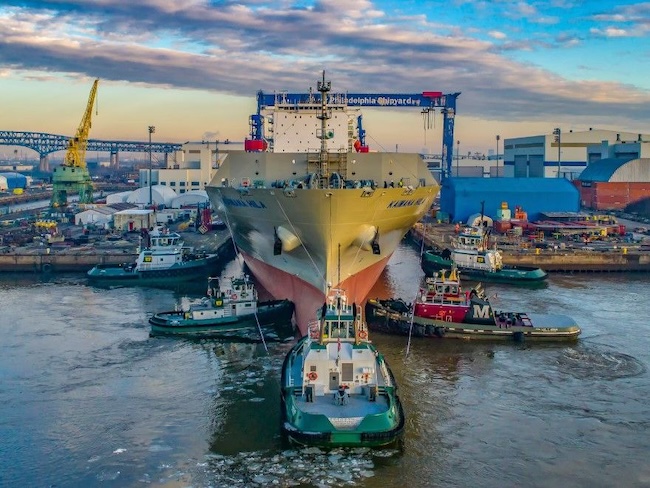
This photo provided by Hanwha Group shows a panoramic view of Philly Shipyard Inc. in Philadelphia, Pennsylvania. (Image courtesy of Yonhap)
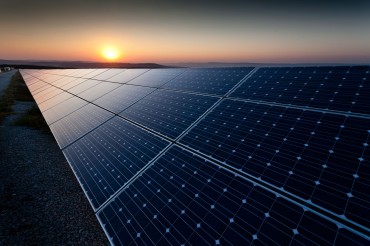
Hanwha showed the steepest growth, with lobbying expenditures soaring more than twelvefold from $450,000 in 2020 to $6.05 million last year, driven largely by Hanwha Q Cells’ aggressive solar manufacturing expansion in the U.S. SK and Hyundai also significantly increased spending, in line with semiconductor, battery, and electric vehicle investments.
Other major players include LG, Young Poong Group, POSCO, the Korea International Trade Association, and CJ Group. In 2024, seven groups surpassed the $1 million threshold in U.S. lobbying expenses.
The number of lobbying reports filed rose steadily as well, from 127 in 2020 to 288 in 2024, with 161 already submitted in the first half of 2025.
Analysts attribute the rise to Korean firms’ deepening stakes in U.S. industries amid shifting trade and industrial policies under the Trump administration, coupled with the need to hedge against political risk during an election cycle.
M. H. Lee (mhlee@koreabizwire.com)