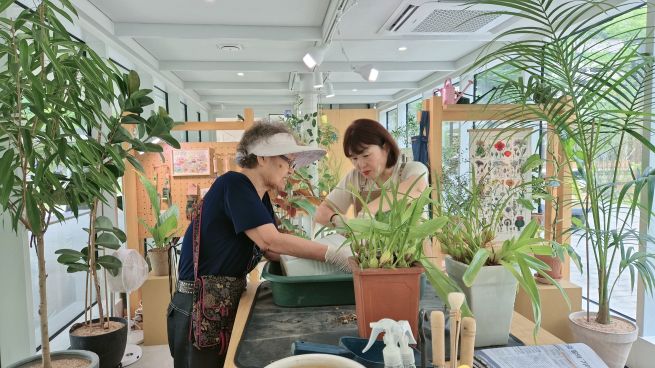
Operation of Seoul City’s “Companion Plant Clinic” (Photo courtesy of Seoul Metropolitan Government)
SEOUL, June 18 (Korea Bizwire) — The Seoul Metropolitan Government announced Tuesday it will expand its free “Pet Plant Clinic” service—an initiative offering personalized diagnosis and care for ailing houseplants—from 9 to 14 locations across the city by the end of June.
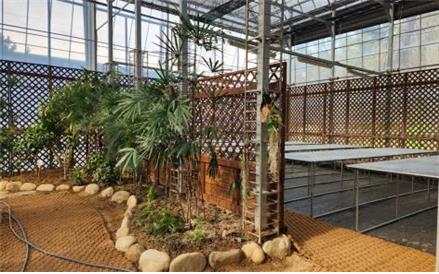
Inpatient Ward at Seoul City’s Companion Plant Hospital (Photo courtesy of Seoul Metropolitan Government)
Launched in 2023, the Pet Plant Clinic program provides expert guidance to citizens struggling to maintain their indoor plants.
Trained horticulturalists offer hands-on services including plant health assessments, treatment prescriptions, repotting, and aftercare advice.
In more severe cases, the program connects patients to the more advanced Pet Plant Hospital operated by the Seoul Agricultural Technology Center.
Last year, the city recorded over 14,000 consultations, with more than 12,000 people participating in related programs such as indoor gardening workshops and horticultural therapy sessions.
With the expansion, new clinics will open in the districts of Seongdong, Jungnang, Gangbuk, Dobong, and Geumcheon, joining the existing locations in Jongno, Dongdaemun, Eunpyeong, Yangcheon, Gwangjin, Yeongdeungpo, Gwanak, Seocho, and Gangdong.
Citizens can book appointments via Seoul’s public service portal (yeyak.seoul.go.kr) or by calling their local district clinic. Each visitor may bring up to three plants for diagnosis, and all services are offered free of charge.
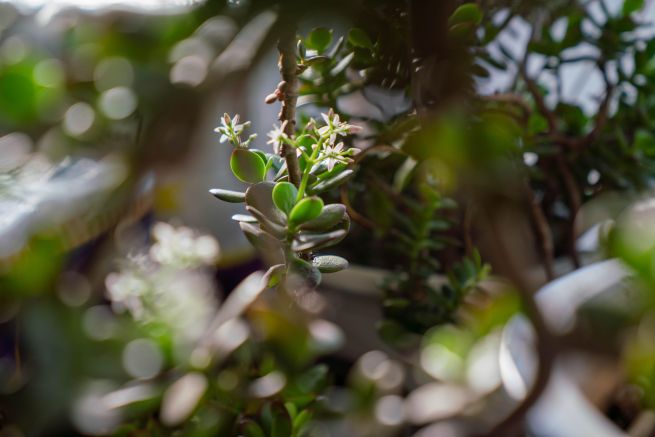
Succulent Plant Blooms for the First Time in 10 Years (Image courtesy of Yonhap)
In addition to its stationary clinics, the city also operates a “Mobile Plant Clinic” service, dispatching experts to apartment complexes, community centers, and festivals. The Pet Plant Hospital runs weekdays from 10 a.m. to 5 p.m., with reservations also available online.
“Through our expanding plant care services, we aim to help residents cultivate healthier plants while also fostering emotional well-being and psychological comfort in their daily lives,” said Song Ho-jae, head of Seoul’s Public Welfare and Labor Bureau.
The program reflects a broader national emphasis on mental wellness and green living under President Lee Jae-myung’s administration, as urban centers like Seoul look to integrate environmental and therapeutic policies into everyday public services.
Lina Jang (linajang@koreabizwire.com)