South Korea is now experiencing rapid population aging, with the number of people aged 65 and older surpassing 10 million. (Yonhap)
SEOUL, July 30 (Korea Bizwire) — South Koreans are living longer than most of their global peers, but the country continues to grapple with the highest suicide rate among OECD nations, underscoring a stark contrast between physical longevity and mental well-being.
According to the OECD Health Statistics 2025 report released Wednesday by South Korea’s Ministry of Health and Welfare, the country’s average life expectancy reached 83.5 years in 2023—2.4 years longer than the OECD average of 81.1 years.
Improved healthcare access and declining infant mortality contributed to this figure, with Korea’s infant mortality rate at 2.5 per 1,000 live births, well below the OECD average of 4.1.
The country also recorded a “preventable mortality rate” of 151.0 per 100,000 people, significantly lower than the OECD average of 228.6—suggesting strong performance in disease prevention and timely treatment.
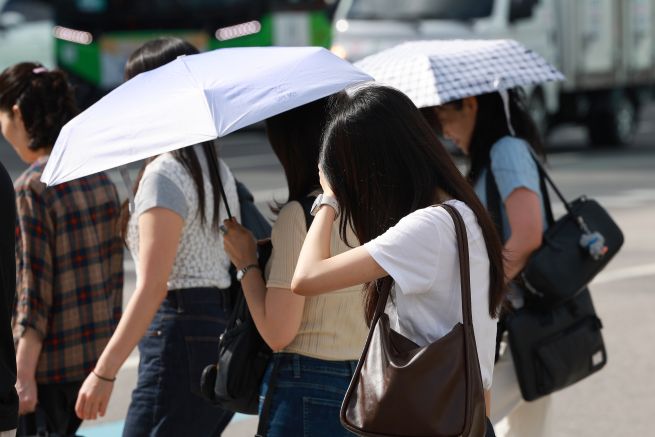
On July 22, the hottest period of the year according to the traditional seasonal calendar known as Daeseo (大暑), citizens shield themselves from the sun as they cross the street at Sejong-daero intersection in Seoul. (Yonhap)
However, the positive indicators are offset by sobering mental health statistics. South Korea has held the highest suicide rate in the OECD since 2003.
In 2022, the rate stood at 23.2 per 100,000 people, more than double the OECD average of 10.7. While suicide rates have declined by 23.4% over the past decade—outpacing the 16.4% drop across OECD nations—the issue remains deeply entrenched.
Healthcare spending also reflects broader demographic pressures. In 2023, current health expenditure amounted to 8.5% of GDP, slightly below the OECD average of 9.1%. However, per capita health spending grew at an average annual rate of 7.8% over the past decade, surpassing the OECD’s 5.2% growth, driven in part by rapid population aging.

The image shows a statue installed on a bridge over the Han River for the prevention of suicide. (Yonhap)
The share of public spending on health is also increasing, with mandatory insurance programs covering 60.4% of total health expenditures in 2023—up from 55.9% in 2013. Meanwhile, out-of-pocket household expenses declined to 31.2%, down from 38.3% over the same period.
Notably, South Korea’s per capita pharmaceutical spending reached $969, far exceeding the OECD average of $658.
Lifestyle metrics show a mixed picture. 15.3% of Koreans over 15 smoke daily, higher than the OECD average of 13.2%, though this rate has steadily declined. Alcohol consumption is relatively low at 7.8 liters per person annually, below the OECD average of 8.6 liters. The rate of overweight or obese individuals (BMI ≥ 25) is 36.5%, second-lowest after Japan, though it is rising steadily.
In elder care, the country lags behind peers. Only 9.0% of Koreans over 65 receive paid long-term care at home, compared to the OECD average of 11.2%. Institutional care also remains limited, with just 2.7% receiving care in facilities.
The report highlights Korea’s impressive strides in life expectancy and healthcare access, but also underscores the urgent need for improved mental health infrastructure and elder care services as the population ages rapidly.
Lina Jang (linajang@koreabizwire.com)