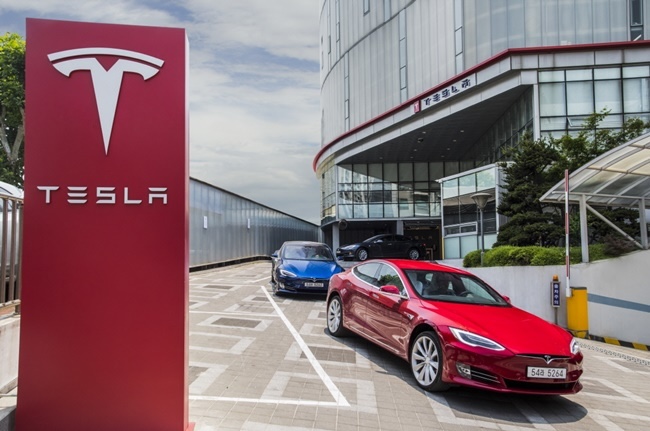
U.S. electric carmaker Tesla Inc. has emerged as a major player in South Korea’s imported passenger vehicle market. (Image courtesy of Tesla Inc.)
SEOUL, Aug. 7 (Korea Bizwire) — U.S.-made vehicles are gaining unprecedented traction in South Korea’s import car market, fueled largely by the surging popularity of Tesla and the easing of non-tariff trade barriers under recent Korea-U.S. trade negotiations.
According to auto data firm CarIsYou Data Research Institute, 7,362 U.S.-made passenger vehicles were sold in South Korea in July alone, accounting for 27.2% of all imported car sales—a record high.
From January to July, sales totaled 32,069 units, representing a 19.4% share, nearly double the 8.2% annual share recorded in 2016.

The Tesla Model 3 surpassed the Mercedes-Benz E300 4Matic and BMW 520 to become the best-selling imported vehicle in South Korea in April 2024. (Image courtesy of Tesla)
Tesla, in particular, is driving the surge. Building on the momentum of its affordable, China-assembled Model Y equipped with lithium iron phosphate (LFP) batteries, the company sold nearly 29,800 vehicles in 2023—its best year on record.
In the first seven months of this year, Tesla has already sold over 26,500 units, bolstered by the launch of its facelifted Model Y “Juniper.”
In May, Tesla achieved a milestone by becoming the top-selling import brand in South Korea for the first time since entering the market in 2017. If current trends continue, Tesla is on track to sell approximately 45,000 vehicles in 2025, shattering previous records.
The growth is expected to accelerate further following the recent removal of a long-standing non-tariff barrier: the 50,000-vehicle cap on U.S. carmakers whose safety standards were recognized as equivalent under the Korea-U.S. Free Trade Agreement (KORUS).
South Korea’s Ministry of Trade, Industry and Energy confirmed the cap would be lifted following successful tariff negotiations with the United States.
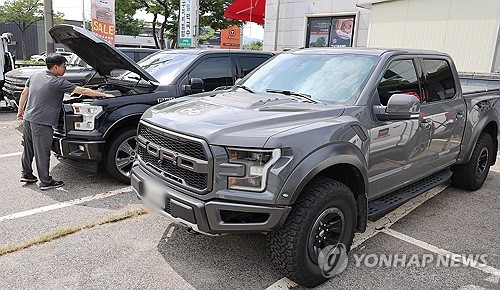 Though presidential officials said the change would have limited immediate impact—since no automaker had exceeded the cap in the past—Tesla is now poised to do just that, effectively opening the door to greater volumes of U.S. auto imports.
Additional regulatory relaxations, such as looser emissions standards for American-made pickup trucks, could further boost U.S. market share in Korea.
“Everyone anticipated Tesla would be the biggest beneficiary of relaxed EV regulations and safety exemptions,” said one industry insider. “Given current momentum, it’s highly likely Tesla will continue to dominate.”
The data reflects not only a shift in consumer preference toward electric vehicles but also a broader realignment of South Korea’s import market as trade and regulatory conditions evolve in favor of U.S. manufacturers.
Kevin Lee (kevinlee@koreabizwire.com)