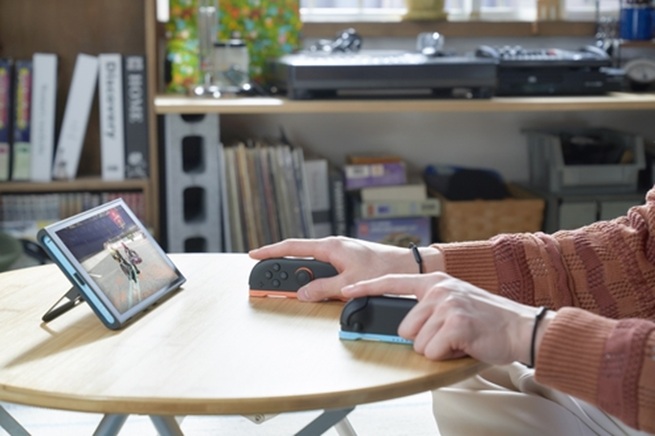
Analysts say the Switch 2 is poised to retain an irreplaceable position in the portable gaming market. (Image provided by Nintendo Korea)
SEOUL, April 7 (Korea Bizwire) — South Korea’s game industry is bracing for the release of Nintendo’s long-anticipated Switch 2, slated for launch in June, marking the company’s first new console in eight years since the original Switch revolutionized hybrid gaming.
With over 150 million units sold globally, the next-generation console is expected to spark renewed consumer demand and broaden the console gaming base.
Industry insiders are particularly focused on the Switch 2’s improved hardware performance. Unlike its predecessor, which was limited to first-party titles and indie games due to modest processing power, the new console is reportedly capable of running advanced, graphics-heavy titles like Elden Ring, Civilization VII, and Borderlands 4—suggesting it may rival PlayStation 4 or Xbox One in terms of performance.
While hardware specs remain under wraps, expectations are high. However, not everyone is impressed. The console is drawing criticism for its high price tag—approximately 650,000 KRW ($480)—as well as region-based pricing disparities, game price hikes, and paid upgrade requirements for previously purchased titles.
Despite the backlash, analysts say the Switch 2 is poised to retain an irreplaceable position in the portable gaming market, where it faces little direct competition beyond niche handheld PCs like the Steam Deck.
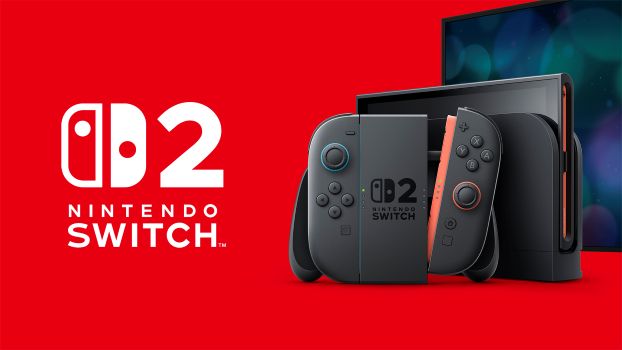
Analysts say the Switch 2 is poised to retain an irreplaceable position in the portable gaming market. (Image provided by Nintendo Korea)
Nintendo’s dominance in this segment has long been reinforced by exclusive IPs such as Super Mario, Pokémon, and The Legend of Zelda—titles that continue to attract younger gamers and loyal fans, even when hardware lags behind rivals.
With the Switch 2, however, Nintendo appears to be shifting gears. At the April 2 showcase, the company spotlighted not just internal IPs like Mario Kart World, Donkey Kong Bonanza, and Kirby’s Air Rider, but also a robust lineup of third-party titles, a strategic move to broaden its appeal.
New releases from FromSoftware (Duskblurs) and indie hit sequel Silksong received some of the event’s most enthusiastic reactions—signaling Nintendo’s deeper engagement with global game developers.
One glaring omission: no Korean-developed games were featured among the Switch 2 titles, despite the success of Korean indies like Dave the Diver (Nexon) and Skul and Sanabi (published by Neowiz) on the original Switch platform.
Still, domestic developers are paying close attention. Several major Korean studios are reportedly assessing the feasibility of porting their titles to Switch 2. “Nintendo has been expanding not only its packaged game catalog but also its live-service offerings,” said a representative from a Korean game company. “We believe Korean games can be competitive on the platform.”
As competition among Sony, Microsoft, and now a more aggressive Nintendo heats up, the global console market may soon enter a new era—one where Korean titles could play a larger role, should developers seize the opportunity.
Kevin Lee (kevinlee@koreabizwire.com)