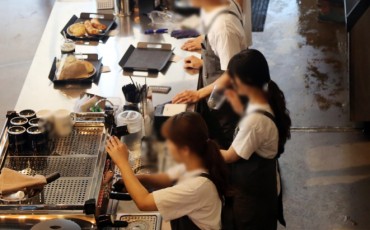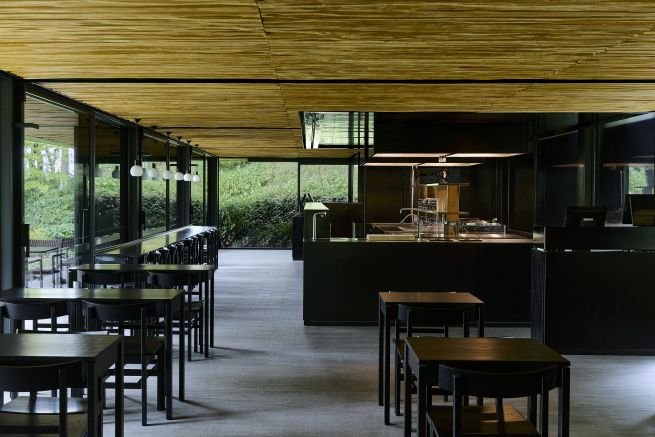
Amorepacific’s tea brand O’sulloc has opened a “Matcha Noodle Bar” at its Jeju Tea Museum. Designed around the concept of “a new way of consuming tea,” the bar serves matcha noodles infused with the pure flavor of finely ground green tea. (Image: Amorepacific)
SEOUL, Sept. 2 (Korea Bizwire) — Once a niche Japanese tea, matcha has surged into the global mainstream, embraced by younger consumers seeking both flavor and wellness. From convenience-store desserts and cocktails to luxury fashion and beauty, the powdered green tea has become a cultural and commercial phenomenon.
In South Korea, convenience chain CU announced on Tuesday it will expand its lineup with matcha cakes and even a sparkling matcha makgeolli rice wine, citing a 130 percent year-on-year jump in sales of green-tinted items.
Rival Seven-Eleven said sales of its matcha desserts nearly tripled last month, while GS25 partnered with celebrity chef Edward Lee on a limited-edition matcha makgeolli. Amorepacific’s Osulloc tea brand opened a “Matcha Noodle Bar” at its Jeju museum, serving noodles made from estate-grown leaves.
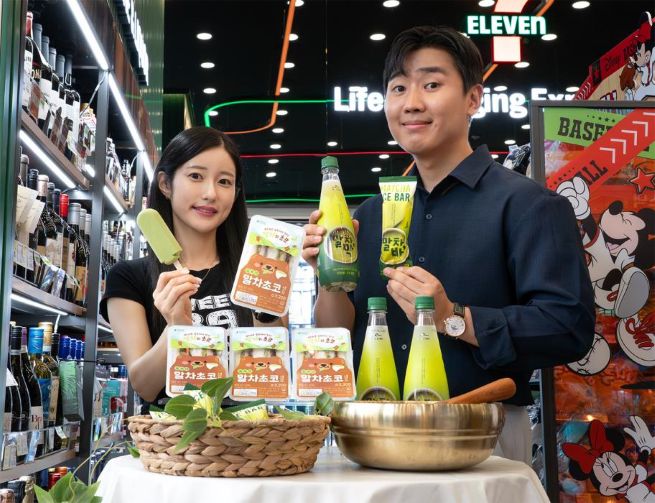
Convenience store chain 7-Eleven has rolled out a lineup of matcha-flavored products, including makgeolli, ice cream, and sandwiches. (Image: 7-Eleven )
The frenzy is not confined to food. Retailer LF reported that “matcha-core” looks — anchored in green, khaki and mint — are trending strongly, with searches for the colors up 2.5 times from a year earlier.
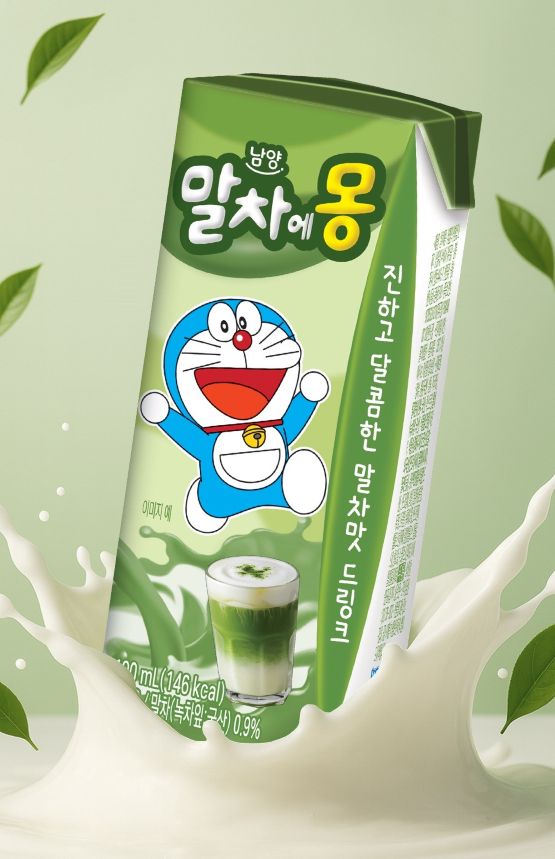
Namyang Dairy’s “Matcha Emong,” a twist on its existing chocolate milk drink “Choco Emong” with added matcha, sold out entirely during two separate live commerce broadcasts, reflecting its strong popularity. (Image: Namyang Dairy)
Sales of mint-hued sandals and accessories have soared, while beauty brands have rolled out matcha-inspired perfumes, candles and skincare lines. On Instagram, posts tagged #matcha have topped 9 million, with global celebrities like Jennie of Blackpink and Zendaya fueling the craze.
Analysts say the boom reflects a shift toward wellness. Rich in antioxidants and amino acids, matcha is marketed as a healthful alternative to coffee.
Grand View Research forecasts the global market will climb from $4.3 billion in 2023 to $7.4 billion by 2030, while DataM Intelligence expects it to more than double by 2032.
But demand is outpacing supply. Production remains concentrated in Japan and China, where tea plants require at least five years to mature.
Rising heat waves and an aging farm workforce have pinched yields in Kyoto, one of the premium growing regions, pushing leaf prices to more than double in the past year.
“Shortages will likely intensify through the end of the year,” warned Anna Poin of the Global Japanese Tea Association.
Despite the bottlenecks — and cautions that matcha’s caffeine levels rival an espresso shot — industry watchers say the craze is unlikely to fade. “It’s more than a drink,” one Seoul food executive said. “It’s become a lifestyle.”
Lina Jang (linajang@koreabizwire.com)