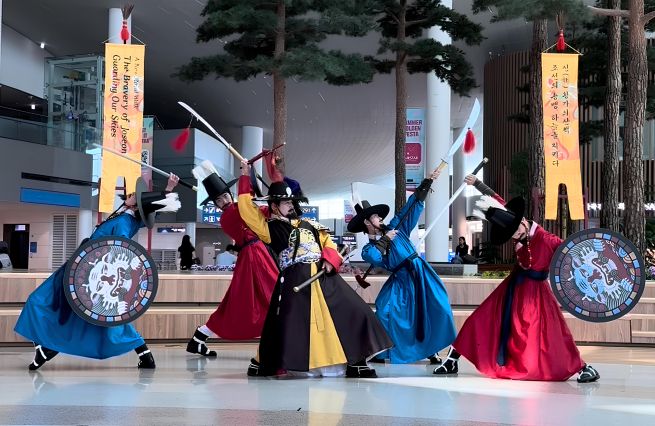
Screenshot of the video “Incheon Airport Royal Guards’ Walk Boys, Real Demon Hunters,” posted on the Korea Traditional Culture Center’s Instagram (@k.heritage.airport)
SEOUL, Sept. 15 (Korea Bizwire) — When Netflix’s animated film K-Pop Demon Hunters premiered earlier this year, few predicted that a fictional boy band would ignite a cultural wave stretching from Seoul to New York. Yet the Saja Boys — a group of grim-reaper–inspired idols who appear in the film — have quickly leapt from the screen into real-world rituals, viral challenges, and even global sports arenas.
On Instagram, a fan watching the Incheon Airport Cultural Heritage Center’s parody clip declared: “I’d fall for them. My soul sucked out immediately.” The video, which shows costumed royal guards at Incheon International Airport striking the Saja Boys’ trademark pose, has racked up nearly 90,000 likes and a flood of English-language comments marveling at its humor and craftsmanship.
Rituals and Parodies
The fervor has spilled into unexpected places. Virtual YouTubers staged a Buddhist-style cheon-do-jae memorial service — complete with altar and framed portraits of the Saja Boys — offering prayers for their safe passage to the afterlife. The tongue-in-cheek performance drew thousands of comments, with viewers pleading for their “oppa” to reach paradise or speculating about their reincarnation.
What began as parody has only deepened the mystique. Sculptures once criticized as grotesque or ghostlike are being reexamined, with some fans insisting they resemble the Saja Boys and calling for their reinstatement.
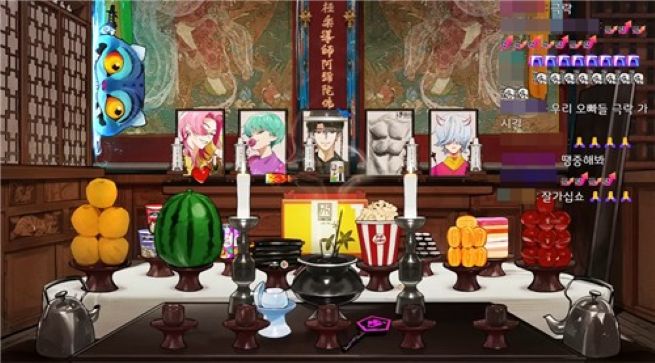
On July 9, a video featuring the Saja Boys’ memorial rite (Cheondojae) was uploaded to YouTube and Naver’s livestreaming platform Chzzk. Cheondojae is a Buddhist ritual held to pray for the repose of the deceased. (Image from YouTuber BulbeobsSeunim)
Global Stage
Even global celebrities have joined the craze. Tennis star Novak Djokovic, after advancing to the quarterfinals at the U.S. Open, performed the Saja Boys’ buoyant “Soda Pop” dance as his victory celebration. He later credited his daughter — who taught him the moves for her birthday — with introducing him to the song, which has since surged to No. 6 on the Billboard Hot 100.
Across Asia and beyond, dance crews, K-pop idols, and everyday fans are flooding TikTok and YouTube with “Soda Pop” covers. Videos range from polished performances by groups like Enhypen and Zerobaseone to whimsical AI creations of cats dancing in checked shirts.
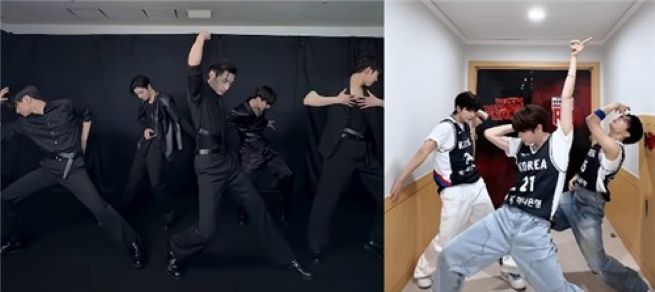
Saja Boys Pose Play (Image source: YouTube captures from ‘ENHYPEN’ and ‘ZEROBASEONE’ videos).
Tourism and Tradition
The trend has seeped into tourism, too. Foreign visitors now rent traditional Korean garb — black robes and gat hats like those worn by the Saja Boys — to pose at Gyeongbokgung Palace. On social media, videos of international fans crafting and wearing gats are multiplying, transforming the grim-reaper aesthetic into a fashionable souvenir.
Even the Korean government has leaned into the momentum. The Korea Heritage Service promoted “Royal Guards’ Walk at the Airport” by aligning costumed performers with the Saja Boys’ choreography, describing them as “the real Demon Hunters of the Joseon dynasty.”
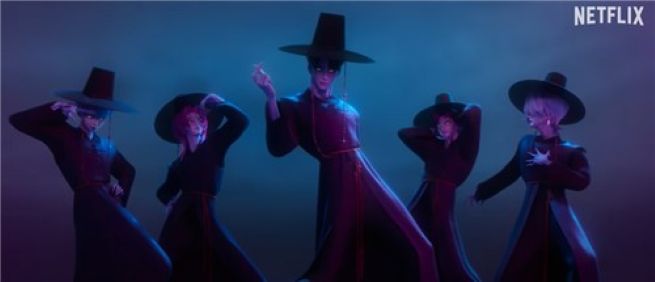
Saja Boys from K-Pop Demon Hunters (Image source: YouTube capture from ‘Netflix Korea’ video)
A Cultural Crossroads
For many, the Saja Boys craze reflects how pop culture, heritage, and satire can fuse into something bigger than marketing. What started as an animated subplot has morphed into an international movement, spanning pop charts, religious parody, cultural tourism, and sports celebrity endorsements.
As fans continue to chant “Saja Boys forever” online, the line between fantasy and reality blurs. In the world of K-Pop Demon Hunters, the Saja Boys battle evil spirits. In today’s global fandom, they’ve conquered something else entirely: the imagination of millions.
Lina Jang (linajang@koreabizwire.com)