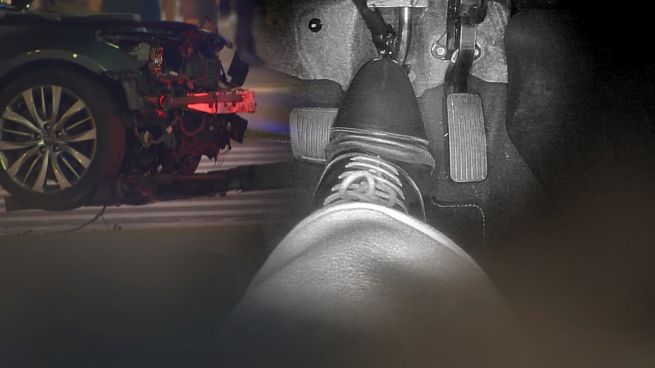
A series of suspected sudden acceleration accidents and disputes over pedal misoperation have prompted active consideration of making the installation of a “pedal black box” mandatory. (Graphic provided by Yonhap)
SEJONG, Sept. 1 (Korea Bizwire) — South Korea’s government has proposed a 2025 budget that emphasizes everyday safety and cost-of-living relief, with measures ranging from preventing car accidents and manhole falls to subsidizing school fruit snacks and low-cost weddings in national parks.
The Ministry of Economy and Finance on Sunday outlined plans that reflect a shift toward what officials called “tangible, daily benefits” for households.
Among them is a ₩500 million ($370,000) program to reduce sudden acceleration accidents by subsidizing pedal-misoperation prevention devices for drivers over 65 who operate taxis or small trucks. The government will cover up to 80 percent of the installation cost.
To address urban flooding risks, ₩110.4 billion ($82 million) will be allocated to install fall-prevention barriers in more than 200,000 manholes across the country.
Another ₩860 million ($640,000) is budgeted for a caller ID verification system designed to curb voice phishing, which cost Koreans over ₩5 trillion ($3.7 billion) last year.
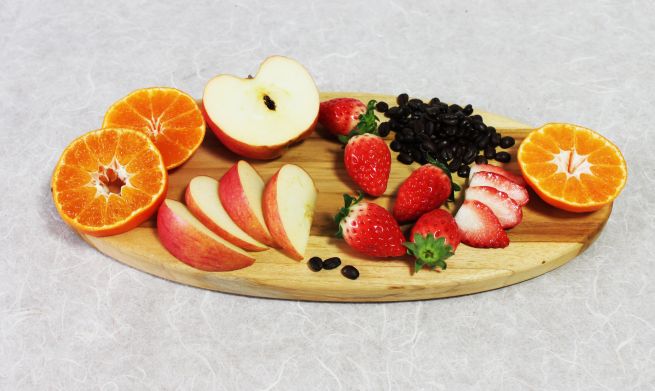
Once a week, primary school students will be given locally grown fruit, while nationwide “food security corners” will provide up to ₩30,000 worth of essentials to those in need. (Yonhap)
Household support measures include subsidized meals for workers in shrinking population regions, with rice-based breakfasts priced at ₩1,000 and discounted lunches capped at ₩40,000 a month.
Primary school students will receive locally sourced fruit once a week, while “food security corners” will be set up nationwide to distribute essentials worth up to ₩30,000 to those in need.
The budget also provides for half-price domestic travel vouchers in 20 depopulated regions, a ₩6.5 billion initiative expected to support 100,000 travel groups.
Meanwhile, ₩3.5 billion will fund “forest wedding halls” in national parks such as Bukhansan and Naejangsan, with additional assistance for low-income couples covering flowers and makeup.
Other allocations include QR-coded traffic citations to streamline violation checks, fire alarm installations in old apartments, and an online counseling pilot for isolated youth.
The government will also expand free flu vaccinations to children under 15 and extend free HPV vaccinations to 12-year-old boys, raising the immunization budget to ₩84.9 billion.
Taken together, the measures reflect the administration’s push to link fiscal spending with citizens’ daily lives, balancing long-term economic policy with visible quality-of-life improvements.
M. H. Lee (mhlee@koreabizwire.com)