Online shopping has become the dominant channel for purchasing home appliances in South Korea. (Image courtesy of Yonhap)
SEOUL, May 5 (Korea Bizwire) — Online shopping has become the dominant channel for purchasing home appliances in South Korea, outpacing all other major product categories in digital penetration, according to newly released government data.
Figures from Statistics Korea’s national portal show that online transactions accounted for 53.7% of total retail sales in the home appliance sector as of 2024 — the only category to surpass the 50% threshold. Furniture followed closely at 49.7%, while books and stationery registered 49.3%.
Footwear and bags (39.9%), cosmetics (37.4%), and clothing (31.8%) also saw significant online market shares, whereas food products — both fresh and processed — remained the lowest at 26.2%.
Since the onset of the COVID-19 pandemic in 2020, which catalyzed e-commerce adoption, online penetration in home appliances has surged 15.5 percentage points, rising from 38.2%.
Food also saw notable growth, increasing 12.3 points over the same period. By contrast, online share in cosmetics, footwear, and furniture either declined or remained stagnant.
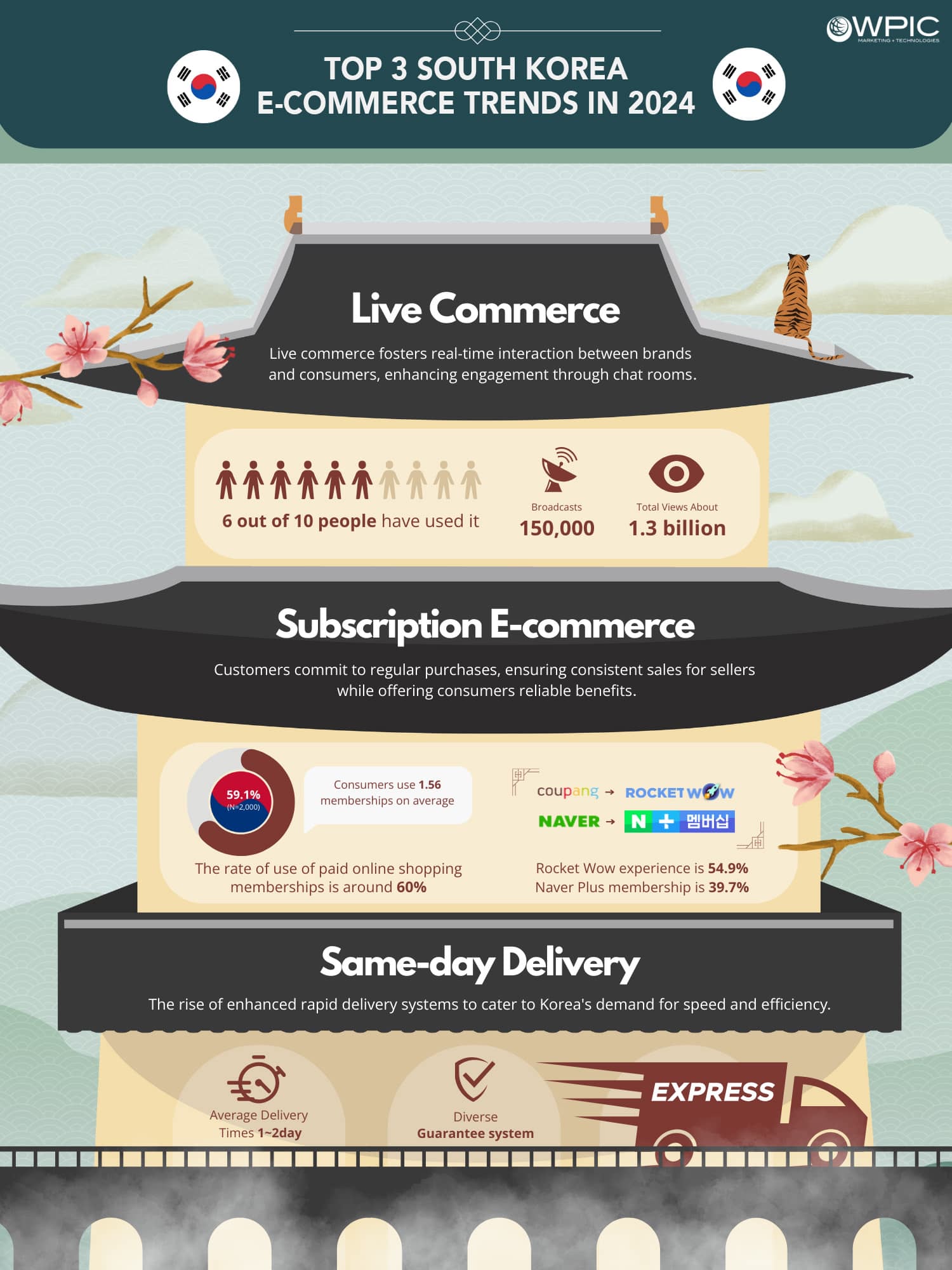
Industry observers attribute the strong online performance of high-ticket items like appliances and furniture to price competitiveness and consumer behavior. “Electronics are typically high-cost purchases, and consumers are highly price-sensitive.
Online platforms allow easy access to price comparisons, specifications, and user reviews,” an e-commerce executive noted.
The same rationale applies to furniture, which is bulky and expensive. Even in physical stores, immediate purchases are uncommon — driving consumers to online platforms where visuals and product details are abundant and pricing tends to be more favorable.
Food, once considered a category resistant to online sales due to concerns over freshness, has made notable gains. The rise of cold-chain logistics has improved the quality and reliability of perishable deliveries, changing consumer perceptions.
Additionally, the growing share of single- and two-person households, which prefer small-quantity purchases over bulk buys, has fueled demand for online grocery services.
Fashion, too, has undergone a digital transformation. While in-store shopping traditionally dominated the apparel sector, online platforms have gained traction among younger consumers since the pandemic. Services like AI-driven personalization, expedited delivery, easy returns, and user-generated reviews have replicated — and in some cases enhanced — the in-store experience.
“Today’s online shopping ecosystem offers a highly tailored, convenient, and information-rich experience, making it increasingly competitive with brick-and-mortar retail,” an industry official concluded.
M. H. Lee (mhlee@koreabizwire.com)